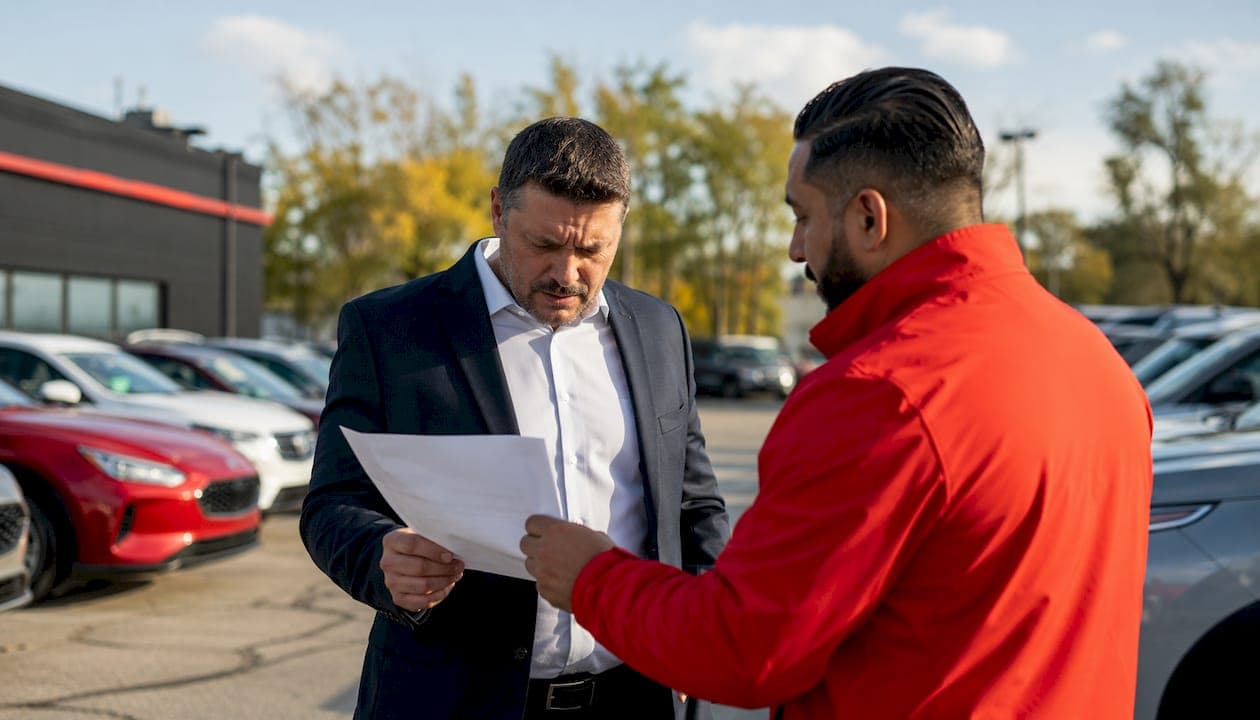
Most car buyers assume they have some window to change their mind after signing. They don't. No federal law requires dealerships to offer returns, refunds, or exchanges once a vehicle purchase contract is signed. The sale is final the moment you put pen to paper, and that reality catches a lot of buyers off guard.
Here's what you need to understand before you buy:
- Dealership return policies are voluntary. Dealers are not legally required to offer them, and most don't.
- Vehicle sales contracts are binding. Once signed, you are generally committed to the purchase.
- State laws vary significantly. California, for example, requires dealers to offer a contract cancellation option for certain used vehicles priced below a specified threshold. Most states do not have equivalent protections.
- Lemon laws and the Magnuson-Moss Warranty Act provide limited relief for defective vehicles, but they are not general return rights.
- Elmwood Auto Sales approaches this differently, prioritizing transparency and thorough vehicle inspections so buyers have confidence before they sign, not regrets after.
- Verbal promises about returns are rarely enforceable. If a dealer says you can bring the car back, get it in writing or it effectively doesn't exist.
Understanding the dealership return policy landscape means knowing where the law ends and where dealer goodwill begins.
Table of Contents
- What are the legal exceptions to a car return policy?
- Why the federal cooling-off rule doesn't apply to car purchases
- How to handle Buyer's remorse after buying a car
- How to avoid problems when buying a car
- How Elmwoodautosalesri approaches transparency and buyer protection
- When third-party arbitration or mediation can help resolve disputes
- What time limits and documentation apply to returns and complaints
- Elmwoodautosalesri: a dealership built around buyer confidence
- Key Takeaways
What are the legal exceptions to a car return policy?
The law does create narrow openings for returns, but they require specific circumstances and documentation. Buyer's remorse alone won't qualify.
State lemon laws are the most significant consumer protection tool for defective vehicles. These laws vary by state but generally require that a vehicle have a substantial defect covered by warranty that the dealer or manufacturer cannot repair after a reasonable number of attempts. The vehicle must typically be out of service for an extended period or undergo multiple failed repair attempts before lemon law protections kick in. New vehicles receive stronger lemon law coverage than used ones in most states.
The Magnuson-Moss Warranty Act operates at the federal level and applies when a written warranty is provided. It requires that defective products be repaired, replaced, or refunded, but it demands documentation of the defect and repair attempts. This is not a quick return mechanism; it's a legal remedy for persistent, documented failures.
Key exceptions and protections to know:
- California's contract cancellation option allows buyers of used vehicles priced under $40,000 to return the car within two business days after delivery, provided they purchased the cancellation option at the time of sale. The vehicle must be returned in the same condition, within the mileage limit specified, and the buyer pays a restocking fee.
- Financing contingencies can allow cancellation if financing is not approved within a set timeframe, often around four days. If the deal falls through because a lender won't approve the loan, you may be entitled to a refund of your down payment and the return of any trade-in vehicle.
- Retail installment contract provisions in some states, including Texas, allow buyers to rescind if the seller fails to deliver a signed copy of the contract before the vehicle is received.
- New vs. used vehicle differences matter. New cars often carry manufacturer warranties that support lemon law claims more directly. Used vehicles sold "as-is" carry fewer protections, though implied warranty laws still apply in many states.
- Financing-related returns are distinct from general return policies. They apply only when a specific financing condition in the contract is not met, not when a buyer simply decides the monthly payment is too high.
If you believe a defect qualifies you for relief under lemon law or the Magnuson-Moss Warranty Act, document every repair attempt with dates, mileage, and written repair orders from the dealer.
Why the federal cooling-off rule doesn't apply to car purchases
This is the single most common misconception in car buying. Many consumers believe a federal three-day cooling-off rule gives them the right to cancel any major purchase within 72 hours. For car sales, that rule simply does not apply.
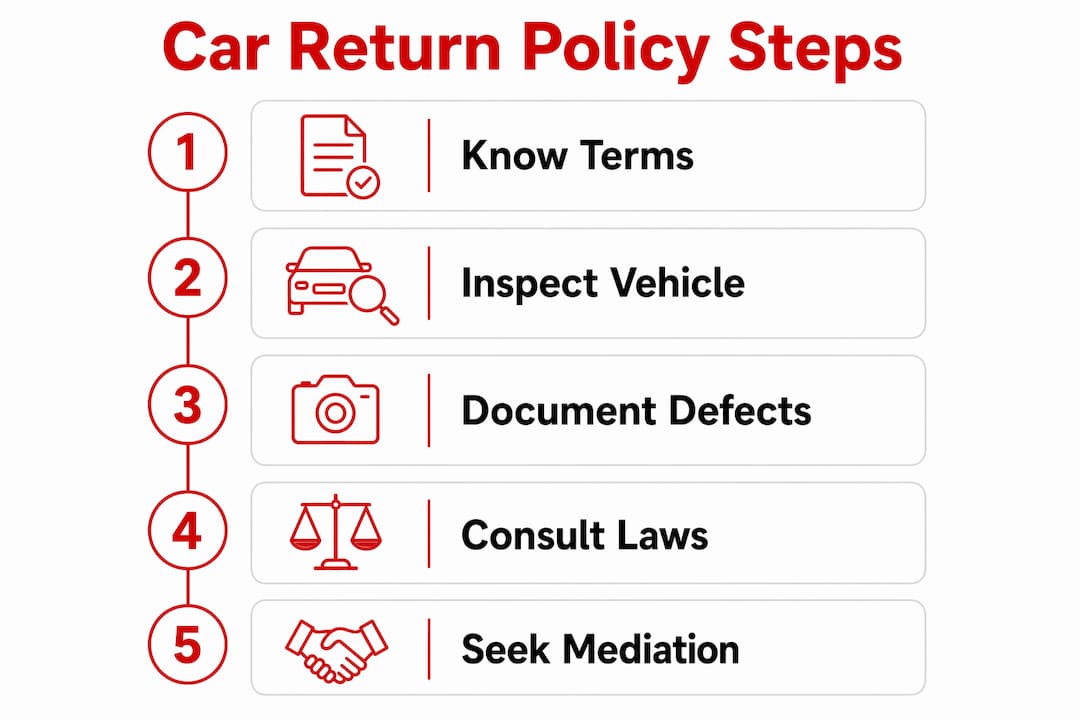
The Federal Trade Commission's cooling-off rule does exist, but it covers door-to-door sales and transactions made at temporary locations like trade shows or fairs. It was designed to protect consumers from high-pressure sales tactics in non-traditional settings. A dealership showroom is a fixed place of business, which puts it entirely outside the rule's scope.
Once you sign a vehicle purchase contract at a dealership, you are legally bound. There is no federal grace period, no automatic right to reconsider, and no guaranteed refund window. Some dealers use language like "cooling-off period" or "money-back guarantee" in their own voluntary policies, which can create confusion. Those are dealer-created programs, not legal rights.
The practical implication is significant. Unlike returning a blender to a retail store or canceling a gym membership within a statutory window, returning a car requires either a dealer's voluntary cooperation, a qualifying legal defect, or a specific contractual provision you negotiated before signing. Confirming what, if any, return terms exist should happen before you drive off the lot.
How to handle Buyer's remorse after buying a car
Buyer's remorse after a car purchase is common, and the options for addressing it are limited. Dealers generally will not accept returns simply because you changed your mind, partly because a returned vehicle can no longer be sold as new and the dealer absorbs depreciation, restocking complications, and paperwork burdens.
Practical alternatives when you're unhappy with a purchase:
- Trade-in: Most dealers will accept your recently purchased vehicle as a trade-in toward another car. You'll likely take a financial loss, but it's a clean exit from a vehicle you don't want.
- Private resale: Selling the car yourself typically yields a better price than a trade-in, though it takes more time and effort.
- Loan refinancing: If the payment is the problem rather than the vehicle itself, refinancing through a bank or credit union may lower your monthly obligation. Review your car financing options before committing to a dealer's financing terms.
- Document defects immediately: If the car has a mechanical problem that wasn't disclosed, document it in writing and contact the dealer right away. This creates a paper trail that supports any legal remedy.
- Review the contract for return provisions: Some dealers include exchange or return clauses. Read every page before assuming none exist.
- Contact your state attorney general: If you believe the dealer misrepresented the vehicle or violated consumer protection laws, your state AG's office is the right starting point.
Pro Tip: If a dealer verbally promises a return window or exchange option, ask them to add it to the purchase contract before you sign. A promise that isn't in writing carries no legal weight, and dealers know it.
Some larger retailers do offer structured return programs. Knowing whether your dealer has one, and what its exact terms are, is something to confirm during the negotiation, not after delivery.
How to avoid problems when buying a car
The most reliable way to avoid return-related regret is to make the right decision before you sign. Most buyers who want to return a vehicle could have avoided the situation with more due diligence upfront.
Steps to protect yourself before purchase:
- Ask about the return policy in writing. Get any return terms documented before you sign the purchase contract. Verbal assurances are not enforceable.
- Order a vehicle history report. Services like Carfax or AutoCheck reveal accident history, title issues, odometer discrepancies, and service records. Never skip this step on a used vehicle.
- Get an independent pre-purchase inspection. A mechanic you trust, not the dealer's service department, should inspect the vehicle before you commit.
- Understand your financing terms completely. Know the interest rate, loan term, total cost, and any contingency clauses before signing. Review how dealer financing works so you're not surprised by the terms.
- Test drive thoroughly. Drive on the highway, in stop-and-go traffic, and test every feature. A short parking lot loop is not enough.
- Read the entire contract. Every page. Every line. Look specifically for "as-is" language, warranty disclaimers, and any return or exchange provisions.
- Check the dealer's reputation. Reviews, Better Business Bureau ratings, and state licensing records tell you a lot about how a dealer handles problems after the sale.
Pro Tip: Ask the dealer directly: "What is your return or exchange policy, and can you show me where it's written in the contract?" A trustworthy dealer will answer clearly. Hesitation or vague answers are a signal worth taking seriously.
Knowing how to spot an honest used car dealer before you walk onto a lot is one of the most practical steps you can take.
How Elmwoodautosalesri approaches transparency and buyer protection
Elmwoodautosalesri operates on a straightforward principle: buyers should feel confident before they sign, not uncertain after. At a dealership where sales staff work on commission, there's an inherent pressure to close the deal quickly. Elmwoodautosalesri removes that dynamic entirely by relying on non-commission sales practices, which means the conversation stays focused on finding the right vehicle rather than pushing a transaction.
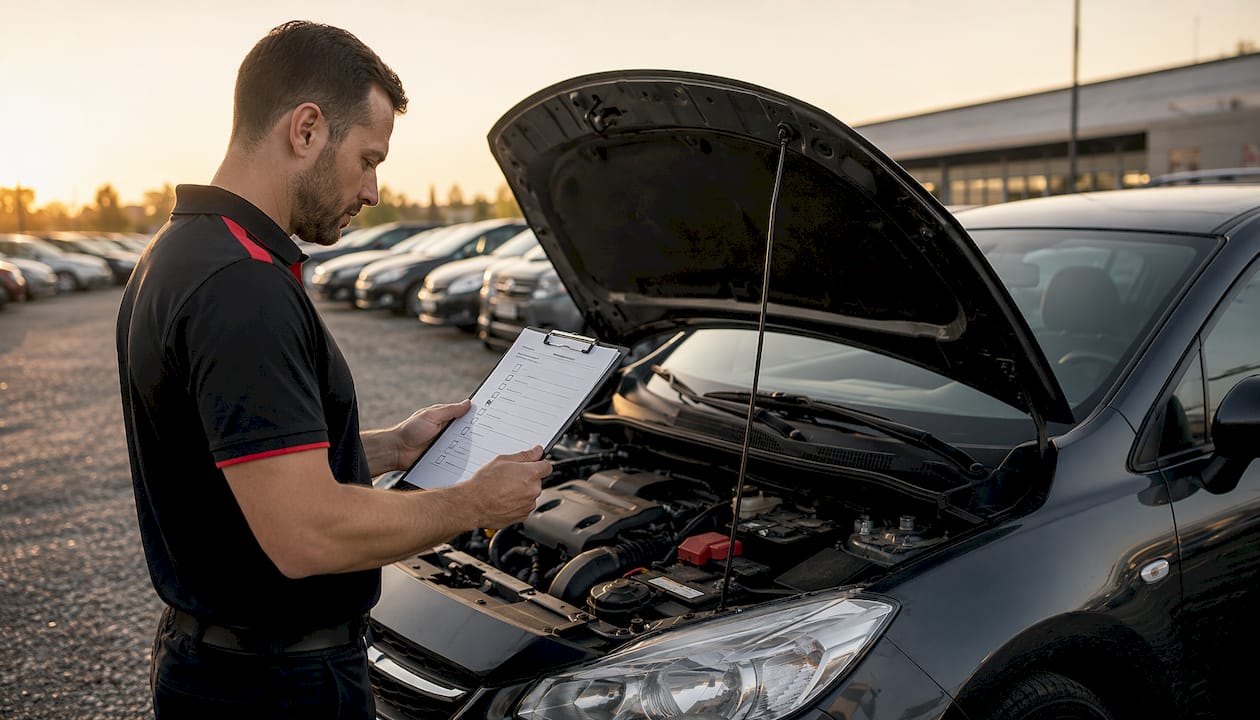
Every vehicle on the lot goes through a thorough inspection before it's offered for sale. That process is designed to surface mechanical issues, safety concerns, and reliability questions before a buyer ever sits in the driver's seat. The goal is to eliminate the kind of post-purchase surprises that lead buyers to want returns in the first place.
Financing flexibility is another layer of that protection. Elmwoodautosalesri offers tailored financing options, including buy here, pay here programs for buyers with varied credit histories. That means fewer financing contingency surprises after the sale, because the financing is structured to work for the buyer's actual situation from the start.
When third-party arbitration or mediation can help resolve disputes
When a buyer and dealer reach an impasse over a defective vehicle or a disputed return, third-party arbitration or mediation offers a structured path forward outside of court. Many vehicle purchase contracts include a mandatory arbitration clause, which means disputes must go through an arbitrator rather than a judge. Reading your contract for this language before you sign is worth the time.
State-sponsored mediation programs exist in several states and are often administered through the attorney general's office or a consumer protection agency. These programs are typically free or low-cost and can be effective for disputes involving warranty violations or misrepresentation. The Consumer Financial Protection Bureau also accepts complaints about auto financing disputes, which can prompt investigation or facilitate resolution.

If your vehicle qualifies under a state lemon law, many states have their own arbitration programs specifically for lemon law claims. These programs are generally faster and less expensive than civil litigation. Document every communication with the dealer and every repair attempt, because arbitrators and mediators rely heavily on written records.
What time limits and documentation apply to returns and complaints
Time is a critical factor in any vehicle return or complaint. Lemon law claims must typically be filed within a specific period after purchase or after the defect first appears, and those windows vary by state. Missing a deadline can forfeit your legal rights entirely.
For financing contingency cancellations, the contract itself specifies the timeframe, often around four days from signing. If financing falls through and you want to cancel, act immediately and in writing.
Documentation to gather and preserve:
- The signed purchase contract and all addenda
- All repair orders, dated and signed by the dealer's service department
- Written communications with the dealer, including emails and texts
- Photos or video of any defect or damage
- Mileage records at each repair visit
If a return is completed, sales tax and registration fee refunds may require separate claims filed with your state's DMV or tax authority. Dealers do not always initiate these refunds automatically, so follow up directly with the relevant state agency.
For Magnuson-Moss Warranty Act claims, federal courts have accepted cases where buyers documented repeated failed repair attempts and the dealer's written acknowledgment of the defect. The stronger your paper trail, the stronger your position.
Elmwoodautosalesri: a dealership built around buyer confidence
Returning a car is difficult, expensive, and often impossible under standard dealership terms. The better outcome is buying from a dealer where the vehicle is right, the terms are clear, and the financing actually fits your situation. That's the experience Elmwoodautosalesri is built to deliver in Providence, RI.
Non-commission sales, thorough pre-sale inspections, and buy here, pay here financing options mean buyers at Elmwoodautosalesri walk in knowing the process is designed around their needs, not a sales quota. For buyers with credit challenges, the tailored financing approach removes one of the most common sources of post-purchase regret: a financing deal that falls apart or surprises you with terms you didn't fully understand.
If you're ready to buy a used vehicle with confidence, visit Elmwoodautosalesri and see the current inventory. The team is there to answer questions honestly, not to pressure you into a decision you'll regret.
Key Takeaways
Most car sales in the United States are final upon contract signing, with no federal return right and only narrow legal exceptions available to buyers who document defects or qualify under state-specific laws.
| Point | Details |
|---|---|
| No federal return right | No federal law requires dealers to offer returns; vehicle sales contracts are binding upon signing. |
| Cooling-off rule exemption | The FTC's cooling-off rule does not apply to dealership sales; motor vehicles are explicitly excluded. |
| Financing contingency window | Contracts with financing contingencies may allow cancellation, often within around four days, if financing is not approved. |
| Document everything | Lemon law and Magnuson-Moss claims require written repair orders, dated communications, and mileage records to succeed. |
| Elmwoodautosalesri's approach | Non-commission sales, thorough vehicle inspections, and flexible financing reduce the risk of post-purchase regret before you sign. |