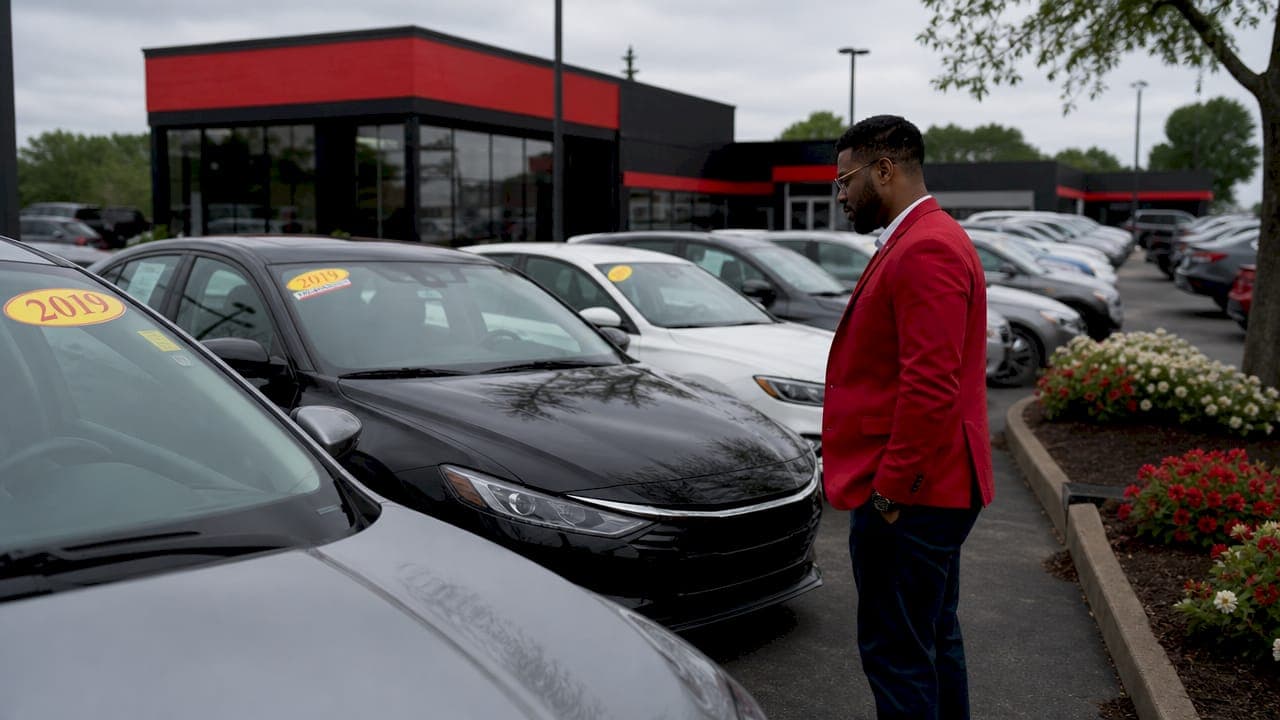
A trustworthy car dealership is defined by transparent pricing, a verified customer reputation, professional certifications, and a genuine commitment to buyer protection. For first-time buyers and budget-conscious consumers, knowing the signs of trustworthy car dealership behavior separates a confident purchase from a costly mistake. Reliable car dealers share measurable qualities: a Google rating of 4.0 or higher with at least 100 reviews, Better Business Bureau accreditation, clear out-the-door pricing, and a willingness to allow third-party inspections. This guide breaks down each indicator so you can walk onto any lot in Providence, RI, or anywhere else, with a clear checklist in hand.
1. How does a dealership's reputation reveal its trustworthiness?
Reputation is the most visible sign of a reliable dealer, and online reviews are the fastest way to read it. Trustworthy dealers typically hold a Google rating of 4.0 or higher backed by at least 100 customer reviews, with recent feedback from the last six months confirming current standards. Fewer than 50 total reviews makes a rating statistically unreliable. You should weight recent reviews heavily because a dealer's practices can shift quickly.
Fake reviews are a real problem, and you can spot them. Suspicious clusters of 5-star reviews posted on the same day, combined with generic templated language, signal manipulation. Prioritize detailed reviews that mention specific staff names, vehicle models, or finance terms. Those details are hard to fabricate.

Negative reviews reveal just as much as positive ones. Patterns of hidden fees or refused service appearing in three or more complaints within a year signal a systemic problem, not a one-off bad experience. Check how the dealer responds to negative feedback. A dealer who replies with accountability and resolution shows they care about their reputation beyond the sale.
Public complaint databases add another layer of verification. State attorney general records and the Consumer Financial Protection Bureau both maintain searchable complaint logs. Cross-referencing these with a dealer's BBB grade gives you a fuller picture than Google alone. A strong BBB rating for car dealers reflects consistent complaint handling, not just absence of complaints.
Pro Tip: Screenshot the dealer's Google review page and BBB profile on the day you visit. If their rating drops or complaints appear after your purchase, you have a documented baseline.
2. What role does pricing transparency play in identifying a reliable dealer?
Out-the-door pricing is the clearest indicator of honest dealership behavior. This term refers to the total amount you pay when you drive off the lot, including taxes, registration fees, and documentation charges. Dealers who quote only the vehicle price without disclosing these additions are hiding real costs. Asking for the out-the-door figure upfront separates transparent dealers from evasive ones.
Documentation fees vary by state and serve as a useful benchmark. Reputable dealers in California average $119 in documentation fees and avoid mandatory add-ons 56% of the time. That data point matters because it shows what fair looks like in practice. If a dealer quotes documentation fees well above regional norms or bundles in mandatory paint protection or gap insurance without explanation, treat it as a red flag.
Requesting itemized written quotes from multiple dealers is the single most effective buyer tip for car dealerships. A written quote locks in the numbers and prevents the price from shifting between the lot and the finance office. Comparing three quotes side by side reveals which dealers pad costs and which ones price fairly.
Watch for add-ons presented as non-negotiable. Extended warranties, nitrogen-filled tires, and VIN etching are common upsells that dealers sometimes frame as required. None of them are legally mandatory. A dealer who insists otherwise is not operating transparently.
Pro Tip: Ask the finance manager to email you the itemized out-the-door quote before you arrive to sign. Dealers who refuse this request are telling you something important.
3. Why professional certification and dealership longevity matter
Certifications from industry bodies confirm that a dealership meets defined standards for technician training, vehicle inspection, and customer handling. Manufacturer-certified programs require dealers to pass audits covering facility quality, staff credentials, and service processes. A dealer displaying these certifications has accepted external accountability, which is a meaningful trust signal.
Certified pre-owned programs are a specific trust signal when dealers provide clear certification checklists and verified vehicle histories. A CPO vehicle has passed a documented multi-point inspection, and the checklist should be available to you before purchase. If a dealer calls a car "certified" without showing you the inspection report, the label is meaningless.
Longevity tells a parallel story. Dealers operating for over 10 years carry a stronger trust signal than newer operations, and family-run shops tend to prioritize local reputation more than short-lived or corporate dealers. Businesses that fail before five years typically struggle to maintain consistent customer service. A dealer who has served the same community for a decade has survived by keeping buyers satisfied.
Community involvement reinforces longevity. Dealers who sponsor local events, partner with community organizations, or maintain a visible local presence have skin in the game beyond the transaction. Their reputation is tied to the neighborhood, which creates accountability that anonymous online-only operations lack.
4. What consumer protection practices should a trustworthy dealer follow?
A trustworthy dealer welcomes third-party pre-purchase inspections without hesitation. Dealers who refuse inspections or fail to provide clear itemized pricing in writing are considered high-risk for hiding defects and inflating costs. An independent mechanic inspection costs roughly $100–$200 and can reveal issues that save you thousands. Any dealer who blocks this step is protecting themselves, not you.
VIN verification is a non-negotiable step before signing any contract. The Vehicle Identification Number on the dashboard, door jamb, title, and all paperwork must match exactly. A mismatch signals either a clerical error or, in serious cases, a salvage or stolen vehicle being misrepresented.
"Spot delivery and yo-yo financing are among the most common tactics used to trap buyers in unfavorable terms after the initial sale. Pre-approved financing removes the dealer's leverage entirely, because you arrive with a firm loan offer in hand. Bringing your own financing ensures the final payment terms are transparent from the start."
Financing terms must appear in writing before you sign. The annual percentage rate, loan term, monthly payment, and total cost of the loan should all be itemized. Verbal promises about interest rates mean nothing once you leave the lot.
Documenting all communications with screenshots of online listings and written correspondence prepares you to contest any post-sale disputes. A dealer who changes the price or terms after you have documented evidence faces a much harder position. This practice protects you against bait-and-switch tactics before they start.
5. How does customer service and communication reflect dealer reliability?
Customer service quality is visible before you buy, not just after. Dealers who respond promptly to email and phone inquiries, answer detailed questions without pressure, and explain financing terms clearly are demonstrating the same behavior you will experience post-sale. Slow or evasive responses during the inquiry stage predict the same pattern when you need warranty support or service follow-up.
Top-rated dealers maintain an average rating of 4.6 stars by responding to customer feedback and using digital tools like service reminders to build loyalty. That rating reflects a focus on long-term relationships rather than one-time transactions. A dealer who invests in post-sale communication has a business model built on repeat customers, which aligns their incentives with yours.
Staff expertise matters as much as friendliness. A salesperson who can answer specific questions about a vehicle's service history, warranty coverage, and financing options without deflecting to a manager is a sign of a well-trained team. Dealers who prioritize transparent communication build stronger long-term customer trust than those focused on closing quickly.
Trade-in handling is another reliable indicator. A dealer who provides a written trade-in offer, explains the valuation method, and holds that offer for a defined period is operating honestly. Dealers who reduce the trade-in value after you have agreed on a vehicle price are using a common tactic to recover margin. Transparent dealers separate these two transactions completely.
For a deeper look at what good service looks like in practice, the 2026 dealership service standards guide covers digital communication benchmarks and response time expectations in detail.
Key Takeaways
The most reliable way to identify a trustworthy car dealership is to combine reputation verification, pricing transparency, certification checks, consumer protection practices, and customer service evaluation before you commit to any purchase.
| Point | Details |
|---|---|
| Verify reputation with data | Look for 4.0+ Google ratings with 100+ reviews and check BBB records and state complaint databases. |
| Demand out-the-door pricing | Request a written itemized quote covering all fees before visiting the finance office. |
| Confirm certifications and longevity | Dealers operating 10+ years with industry certifications carry stronger accountability than newer operations. |
| Protect yourself before signing | Get pre-approved financing, verify VIN on all documents, and allow a third-party inspection. |
| Evaluate communication quality | Dealers who respond promptly and explain terms clearly before the sale will do the same after it. |
What I have learned about spotting honest dealerships
After working with car buyers across Rhode Island for years, the single most telling moment in any dealership visit is how the staff reacts when you ask for a written out-the-door quote before sitting down with the finance manager. Honest dealers hand it over without hesitation. Evasive ones suddenly need to "check with the manager" or redirect you to the monthly payment conversation. That reaction tells you more than any review.
The advice to "trust your gut" gets repeated constantly, but gut feelings need to be grounded in documentation. I have seen buyers walk away from genuinely good deals because the lot felt uncomfortable, and I have seen buyers get burned at polished, professional-looking operations. The gut is a starting point. The written quote, the VIN check, the third-party inspection, and the pre-approved loan are the actual protection.
One thing most articles skip: how a dealer handles their own negative reviews reveals their character more than the positive ones. A dealer who responds to a one-star review with a genuine apology and a resolution offer is showing you their process. A dealer who argues with the reviewer or dismisses the complaint is showing you something else entirely. Read those exchanges carefully before you visit.
Pre-approved financing is the most underused tool in a buyer's kit. When you arrive with a firm loan offer from a credit union or bank, you remove the dealer's ability to use financing as a negotiating lever. The conversation shifts entirely to the vehicle price, which is where it should be. Elmwoodautosalesri operates without commission-based sales tactics, which means the staff has no incentive to steer you toward a higher loan or a vehicle outside your budget. That structure alone changes the dynamic of the entire visit.
— Elmwood
Elmwoodautosalesri: transparent car buying in Providence, RI
Elmwoodautosalesri applies every standard covered in this guide as standard practice, not a selling point.
Every vehicle on the lot passes a thorough inspection before it is listed, and pricing is documented in writing from the first conversation. Elmwoodautosalesri does not use commission-based sales tactics, which means the staff focuses on matching you with the right vehicle rather than the most expensive one. Financing options include buy-here-pay-here solutions for buyers across a range of credit histories, with APR, loan term, and total payment presented clearly before you sign anything. Browse the current inventory and request a written out-the-door quote to see exactly what transparent car buying looks like in practice.
FAQ
What is the minimum Google rating for a trustworthy dealer?
A reliable dealer holds a Google rating of 4.0 or higher with at least 100 reviews. Fewer than 50 total reviews makes the rating statistically unreliable.
How do I spot fake reviews at a car dealership?
Look for clusters of 5-star reviews posted on the same day with generic, templated language. Genuine reviews mention specific staff names, vehicle models, or finance details.
What is out-the-door pricing and why does it matter?
Out-the-door pricing is the total amount you pay at purchase, including taxes, registration, and documentation fees. Dealers who quote only the vehicle price are hiding real costs.
Should I get pre-approved financing before visiting a dealership?
Pre-approved financing removes the dealer's ability to use loan terms as a negotiating tool. It ensures your payment terms are set before you sit down in the finance office.
What are the red flags in car dealerships I should never ignore?
Refusal of a third-party inspection, VIN mismatches on paperwork, and pressure to skip written quotes are the clearest red flags. Any one of these signals a high-risk transaction.