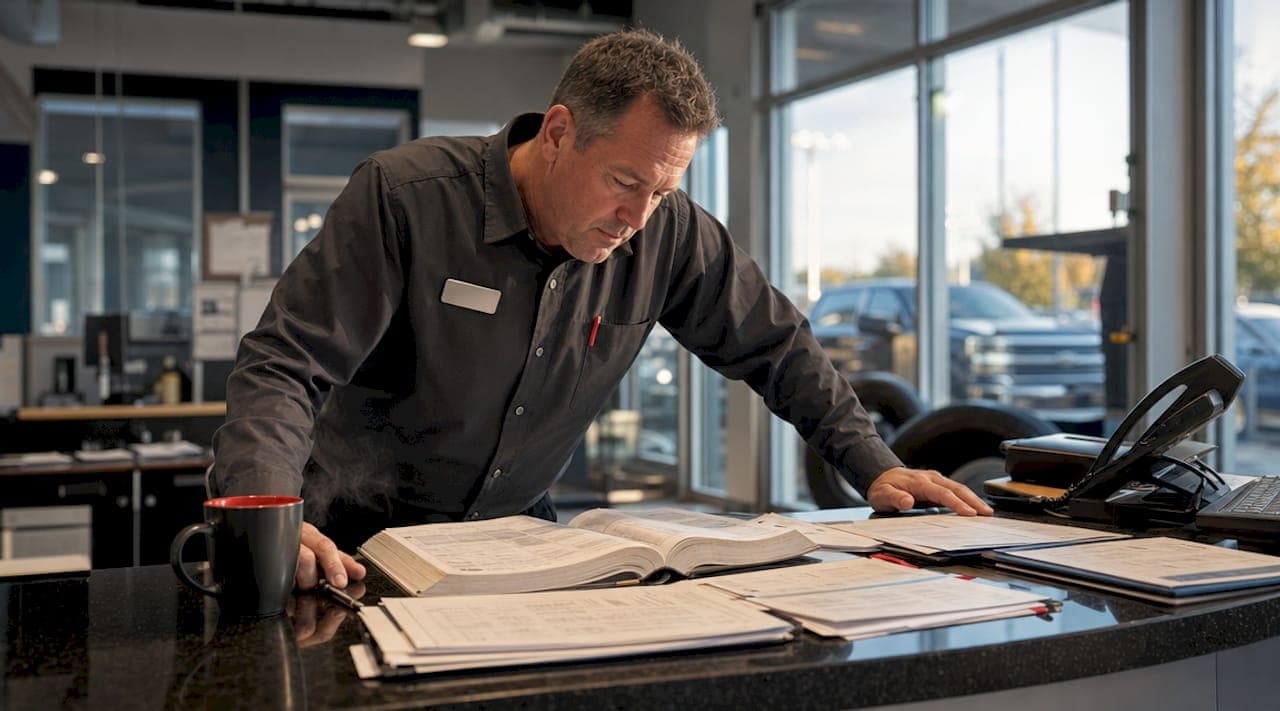
The dealership service department is defined as the division responsible for all vehicle maintenance, repairs, warranty work, and safety inspections within a franchised or independent dealership. This is where your car's long-term reliability is managed, not just where oil gets changed. The service department functions as the operational backbone of any dealership, staffed by service advisors, certified technicians, warranty administrators, and appointment coordinators who work together to keep vehicles safe and customers informed. Understanding what is dealership service department role means recognizing it as far more than a repair shop. It is the primary engine of dealership profitability and the most direct touchpoint for lasting customer relationships.
What is the dealership service department role and who fills it?
The dealership service department is organized around several distinct staff positions, each with a defined function that connects to the others. Service advisors act as the primary liaison between customers and the technical team. They receive vehicles, communicate repair needs, provide cost estimates, and handle warranty claims while coordinating with the parts department and ensuring manufacturer compliance. Without a skilled service advisor, the entire customer experience breaks down.
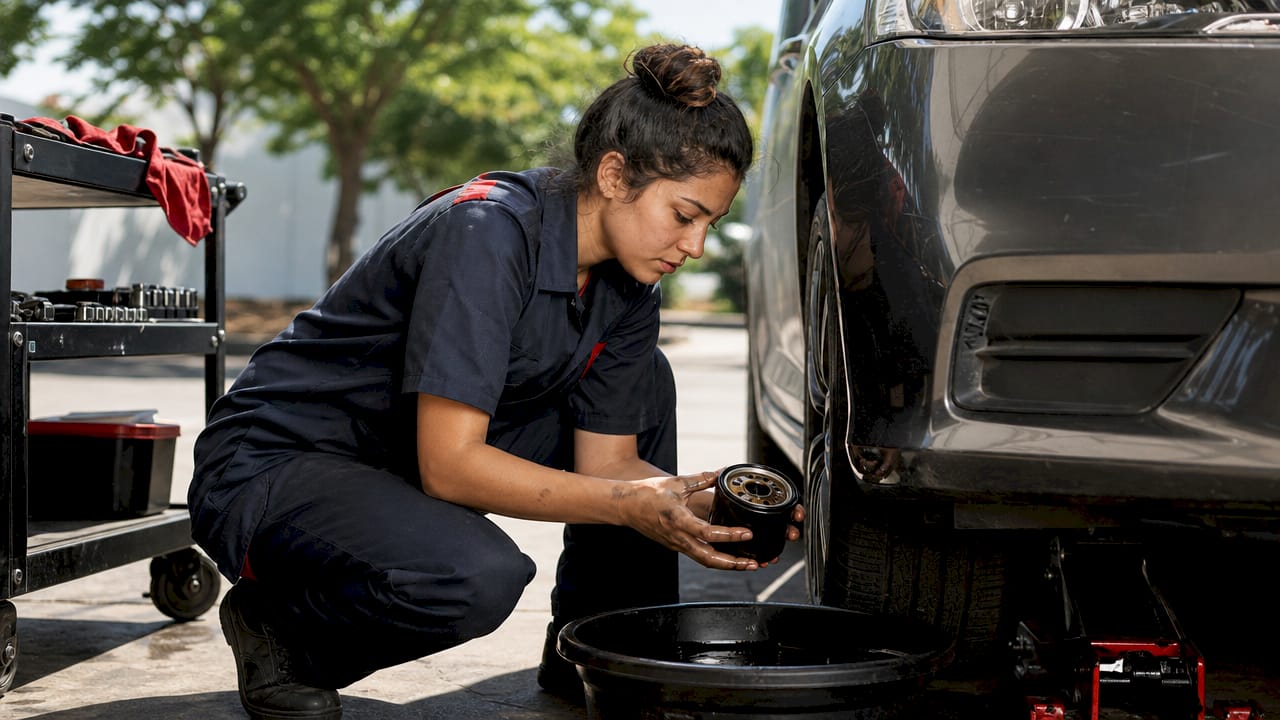
Technicians form the hands-on core of the department. They range from lube technicians handling routine maintenance to master-certified technicians qualified for complex diagnostics and engine repairs. Many dealerships employ technicians certified by manufacturers like Ford, Toyota, or General Motors, which means they receive brand-specific training unavailable at independent shops. This specialization directly affects repair accuracy and warranty eligibility.
Service managers oversee daily operations with a focus on measurable outcomes. They track throughput, labor rate, and quality metrics to drive department efficiency and customer satisfaction. A service manager's job is not just administrative. It involves coaching advisors, resolving customer escalations, and ensuring technicians meet productivity targets.
Warranty administrators process manufacturer reimbursement claims, verify repair documentation, and maintain compliance with OEM guidelines. Appointment coordinators and business development center (BDC) staff manage incoming booking requests and follow-up communications. Together, these roles form a structured workflow that moves vehicles through the service lane with minimal friction.
Pro Tip: When visiting a dealership service department for the first time, ask specifically for a certified technician if your repair involves a powertrain or emissions system. Not all technicians hold the same certification level, and the distinction matters for warranty-covered work.
How does the service department drive dealership profitability?
The financial weight of the service department within a dealership is consistently underestimated by car buyers. Fixed operations, which include service, parts, and the body shop, generate roughly 50% of dealership gross profit while representing only 10 to 15% of total sales volume. That ratio reveals why dealerships invest heavily in service infrastructure even when new car margins are thin.
The concept of service absorption explains this dynamic precisely. Service absorption measures the percentage of total dealership overhead that service and parts profits cover on their own. The industry target for absorption is 115%, meaning a high-performing service department should cover all fixed costs and generate surplus profit without relying on vehicle sales at all. The current national average sits at approximately 66.3%, which signals significant room for improvement across most dealerships.
"The service department is the stability engine of a dealership. When vehicle sales slow during economic downturns, fixed operations revenue keeps the lights on."
Service revenue is also more predictable than vehicle sales. Cars require maintenance on regular intervals regardless of economic conditions, which makes service income relatively recession-resistant. Dealerships that prioritize fixed operations build a financial cushion that pure sales-focused operations cannot replicate.
| Revenue Metric | Figure |
|---|---|
| Fixed ops share of gross profit | ~50% of total dealership gross profit |
| Fixed ops share of total sales | Only 10–15% of total sales volume |
| Industry service absorption target | 115% (NADA benchmark) |
| Current national absorption average | ~66.3% |

Pro Tip: If you are evaluating a dealership's long-term reliability as a service partner, ask whether they publish their service absorption rate or customer satisfaction index (CSI) scores. Dealerships that track these metrics openly tend to deliver more consistent service quality.
What does the customer experience look like in dealership service?
The customer experience in a dealership service department follows a defined sequence that begins well before the technician touches your vehicle. The process typically moves through five stages: scheduling, vehicle reception, inspection and estimate, repair authorization, and delivery. Each stage is an opportunity for the service advisor to build or erode trust.
80% of new-car buyers intend to use the service department at their selling dealership after purchase. That intent does not always translate into repeat visits, and the gap between intention and behavior is almost always traced back to communication failures. Customers who feel uninformed about repair timelines or costs are the most likely to defect to independent shops.
High-performing dealerships address this by treating service advisors as trust builders, not just order takers. Personalized communication, proactive status updates, and clear explanations of repair necessity all contribute to higher customer retention. The service advisor role has expanded significantly in recent years to include digital communication tools that keep customers informed without requiring them to call in.
The practical steps for a smooth service visit look like this:
- Schedule your appointment online or through a BDC coordinator to reduce wait times and confirm parts availability in advance.
- At vehicle reception, confirm the repair order details in writing before leaving your car.
- Request a written estimate before authorizing any work beyond the initial service.
- Ask whether the repair is covered under your manufacturer warranty or an extended service contract.
- Review the completed repair order at pickup and ask the advisor to explain any findings noted but not yet addressed.
Pro Tip: Always ask the service advisor to flag any deferred maintenance items in writing on your repair order. This creates a documented service history that protects your warranty and increases resale value.
How has technology transformed dealership service departments?
Technology has reshaped how dealership service departments communicate, diagnose, and document vehicle work. The shift is most visible in digital inspection reports, where technicians now capture video and photographic evidence of vehicle conditions during multi-point inspections. Video-based inspections have become a gold standard for transparency because they show customers exactly what the technician sees, removing the guesswork from repair recommendations.
The practical impact is measurable. Nearly half of customers say visual evidence makes them more likely to approve recommended work, which directly increases service revenue while simultaneously improving customer confidence. That is a rare combination where business outcomes and customer interests align completely.
Text-based communication has replaced phone calls as the primary channel for service updates and repair approvals at many dealerships. Customers receive inspection results, cost estimates, and completion notifications via SMS or app-based platforms, allowing them to approve or decline work without interrupting their day. Digital scheduling systems have also reduced no-shows and improved technician utilization by matching appointment volume to available labor hours.
Additional technology advances shaping modern service departments include:
- OBD-II and manufacturer-specific diagnostic scan tools that read fault codes with brand-level precision unavailable to most independent shops.
- Repair tracking software that logs technician time, parts usage, and quality checks in real time.
- Customer-facing portals where vehicle owners can review their service history, upcoming maintenance schedules, and open recalls.
- Loaner vehicle management systems that coordinate courtesy cars alongside service appointments.
These tools do not replace skilled technicians or advisors. They give those professionals better information and faster communication channels, which translates directly into shorter repair times and fewer misunderstandings.
What should car owners know before visiting a service department?
Knowing how dealership service works before you arrive puts you in a much stronger position as a customer. The service department operates on a labor rate model, meaning you are billed for the time a technician spends on your vehicle according to a published flat-rate schedule. Understanding this prevents surprise charges and helps you evaluate estimates accurately.
Several practical guidelines apply regardless of which dealership you visit:
- Confirm whether your repair falls under the manufacturer warranty, a certified pre-owned warranty, or an extended service contract before authorizing any work. Coverage determines who pays.
- Ask the service advisor to explain the difference between required maintenance and recommended maintenance. Required items protect your warranty. Recommended items may be legitimate but are not always urgent.
- If a repair cost seems high, ask the service manager to review the estimate. Service managers have authority to adjust labor charges and can often identify alternative repair approaches.
- For dealership diagnostic work, ask upfront whether the diagnostic fee is waived if you authorize the repair. Many dealerships apply the diagnostic cost toward the final repair bill.
- Keep copies of every repair order. This documentation supports warranty claims, dispute resolution, and vehicle resale.
The importance of dealership service over independent shops is most pronounced for vehicles still under manufacturer warranty. Warranty repairs must be performed by authorized dealers using OEM parts to remain valid. Using an independent shop for a covered repair can void specific warranty provisions, a risk that rarely justifies any cost savings.
Pro Tip: Request a multi-point inspection report on every visit, even for routine oil changes. These reports reveal developing issues early, when repairs are less expensive and less disruptive.
Key takeaways
The dealership service department is the financial and relational core of any dealership, generating roughly half of gross profit while serving as the primary driver of long-term customer loyalty.
| Point | Details |
|---|---|
| Core function defined | Service departments handle maintenance, warranty repairs, diagnostics, and safety inspections under one roof. |
| Profitability weight | Fixed operations generate ~50% of dealership gross profit despite representing only 10–15% of sales. |
| Staff roles matter | Service advisors, technicians, service managers, and warranty administrators each fill a distinct and interdependent function. |
| Technology builds trust | Video inspections and text-based approvals increase customer confidence and repair authorization rates. |
| Owner preparation pays off | Knowing warranty coverage, asking for written estimates, and keeping repair records protects your investment. |
Why the service department is the real test of a dealership's promises
From where Elmwoodautosalesri sits in Providence, RI, the service department conversation comes up constantly with customers who have been burned before. They bought a car somewhere, had a problem six months later, and discovered that the sales experience and the service experience were two completely different realities. That gap is where dealership trust is actually built or destroyed.
The service department is not a back-office function. It is the front door of every long-term customer relationship. Dealership service experience is the ultimate test of the promises made during the sale, and customers who feel well-served in the service lane are dramatically more likely to return for their next vehicle purchase. The data on this is clear, and the logic is obvious once you see it.
What concerns me about the current industry picture is the absorption gap. A national average of 66.3% against a 115% target means most dealerships are leaving significant money on the table, and more importantly, leaving customers underserved. The dealerships closing that gap are the ones investing in advisor training, digital communication tools, and transparent inspection processes. Those are not expensive upgrades. They are discipline and commitment.
For any vehicle owner in Rhode Island or beyond, the practical takeaway is this: choose your service partner as carefully as you choose your vehicle. A dealership with a strong, transparent service department is not just convenient. It is a financial asset for the life of your car.
— Elmwood
How Elmwoodautosalesri supports vehicle owners beyond the sale
Elmwoodautosalesri in Providence, RI, understands that buying a quality used vehicle is only the beginning of the ownership experience. Every car on the lot goes through a thorough inspection before it reaches a customer, and that commitment to reliability does not stop at the sale. Whether you need routine maintenance, a pre-purchase inspection, or guidance on warranty coverage for your next vehicle, Elmwoodautosalesri provides the transparent, no-pressure support that Rhode Island drivers deserve. Explore the inventory and learn more about our services to see how a dealership built on trust handles every stage of vehicle ownership.
FAQ
What is the main role of a dealership service department?
The dealership service department manages all vehicle maintenance, repairs, warranty work, and safety inspections. It serves as the primary revenue source within fixed operations and the central point of ongoing customer relationships.
How do service advisors differ from service technicians?
Service advisors act as the customer-facing liaison, managing communication, estimates, and warranty coordination. Technicians perform the physical diagnostic and repair work, often holding manufacturer-specific certifications for brand-level accuracy.
Why is dealership service important for warranty repairs?
Warranty repairs must be completed by an authorized dealership using OEM parts to remain valid under manufacturer coverage. Independent shops generally cannot process manufacturer warranty claims, which makes dealership service the only covered option for most warranty work.
What is service absorption in a dealership?
Service absorption measures the percentage of total dealership overhead covered by service and parts profits alone. The NADA industry target is 115%, but the current national average sits at approximately 66.3%.
How can I get the most from a dealership service visit?
Schedule appointments in advance, request written estimates before authorizing work, and keep copies of every repair order. Asking your service advisor to flag deferred maintenance in writing creates a documented vehicle history that supports warranty claims and resale value.