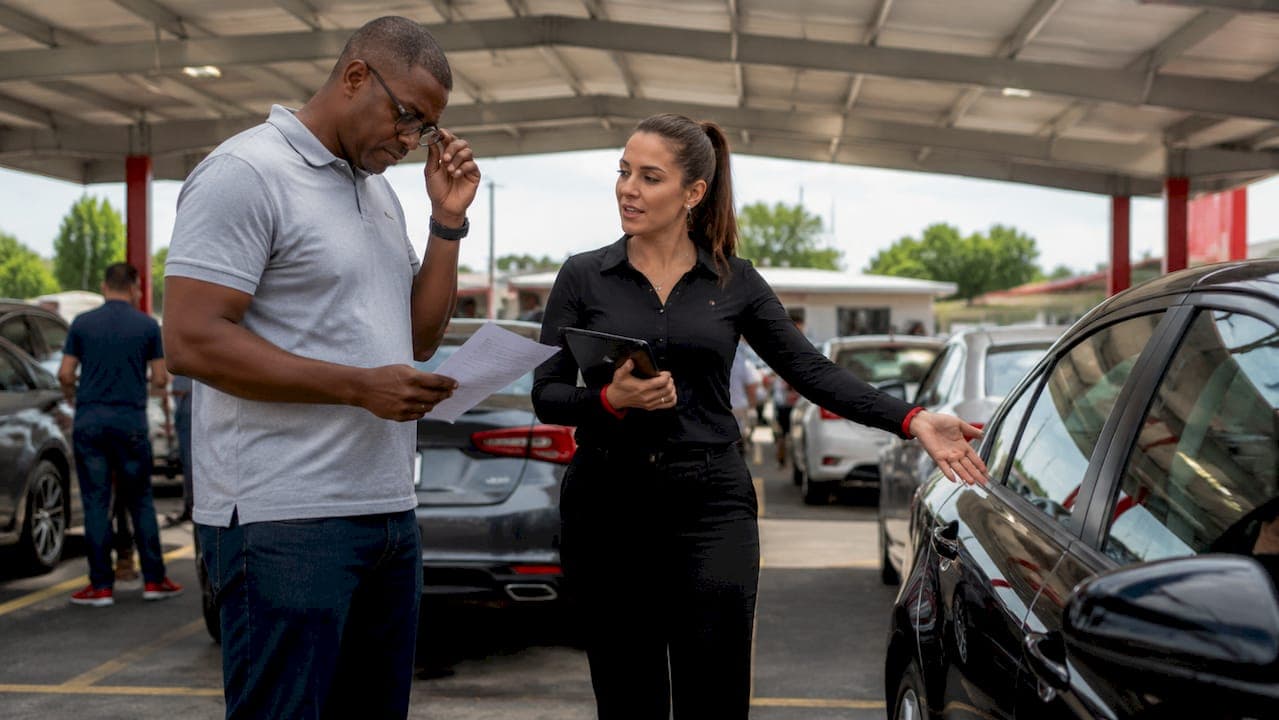
An honest used car dealer is defined by three measurable qualities: full vehicle history disclosure, transparent pricing with no hidden fees, and willingness to allow independent inspections before purchase. Knowing how to spot an honest used car dealer protects you from costly surprises, unreliable vehicles, and deceptive sales tactics. This guide covers the specific signals, tools, and on-site steps that separate trustworthy used car dealerships from the ones you should walk away from. You will learn what to look for in CARFAX reports, documentation fees, customer reviews, and dealer behavior before you sign anything.
What are the key transparency signals that reveal an honest dealer?
Dealer transparency is the single most reliable indicator of honesty in the used car business. A trustworthy dealer does not make you ask twice for vehicle history. They provide it upfront.
Reputable dealers provide free vehicle history reports like CARFAX and actively encourage independent mechanic inspections before purchase. This matters because a CARFAX report reveals accident history, odometer rollbacks, title issues, and service records. A dealer who hesitates to share this information is protecting themselves, not you.
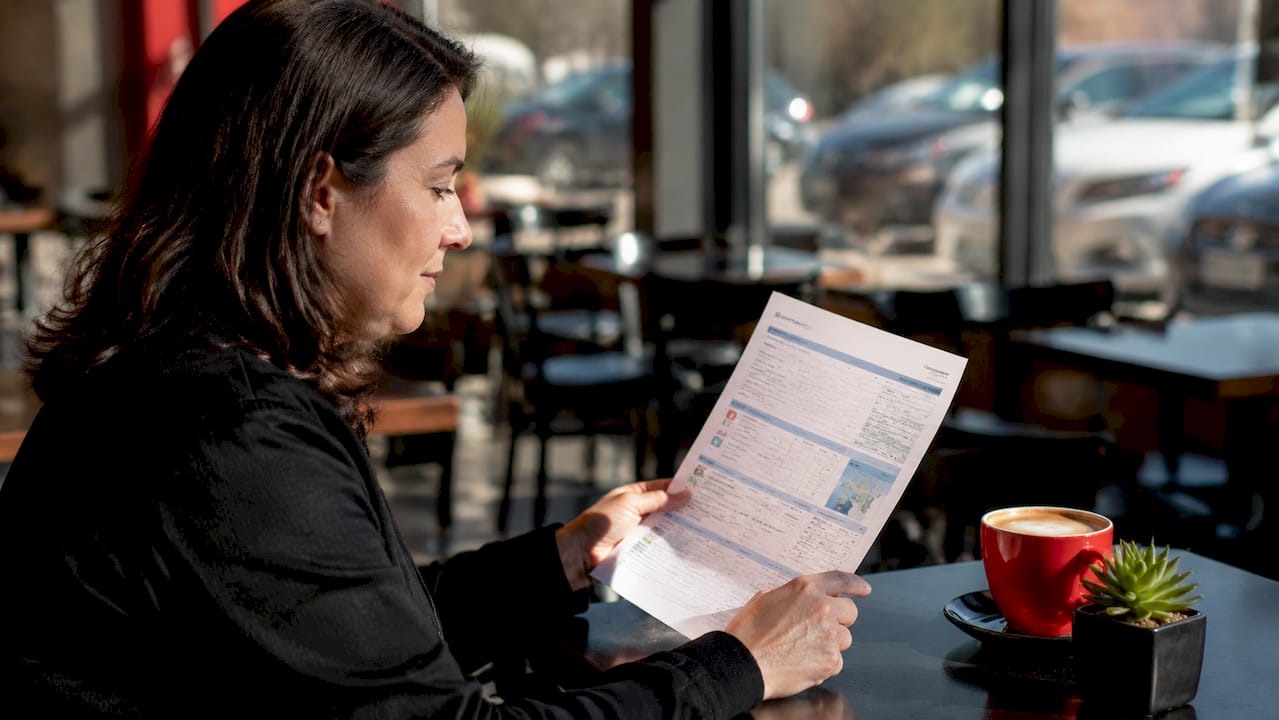
The Pre-Purchase Inspection, or PPI, is the industry standard tool for buyer protection. Independent PPIs cost $100–$150 and produce a written report that uncovers hidden mechanical issues invisible during a standard lot walkthrough. That written report also gives you real leverage in price negotiations. Any dealer who discourages a PPI is a clear red flag.
Transparent communication goes beyond paperwork. An honest dealer answers direct questions about recalls, known mechanical issues, and previous ownership without deflecting. They explain vehicle features clearly and do not rush you toward a decision. If a salesperson avoids specifics or changes the subject when you ask about a vehicle's history, treat that as a warning.
Here are the transparency signals to look for when you visit a dealership:
- Free CARFAX or AutoCheck report offered without being asked
- Written PPI report available or inspection appointment encouraged
- Clear answers about open recalls and prior accident history
- Willingness to show maintenance records and service logs
- No pressure to skip the inspection or "just trust us" language
Pro Tip: Before your visit, run the VIN through the National Highway Traffic Safety Administration (NHTSA) recall database at nhtsa.gov. It takes two minutes and tells you whether any open safety recalls exist on the vehicle. An honest dealer will already know about them and have a plan.
How to evaluate pricing and fees to avoid hidden costs
Fair pricing at a used car dealership means full disclosure before you agree to anything. The industry term for this is "out-the-door pricing," and it is the clearest test of dealer honesty.
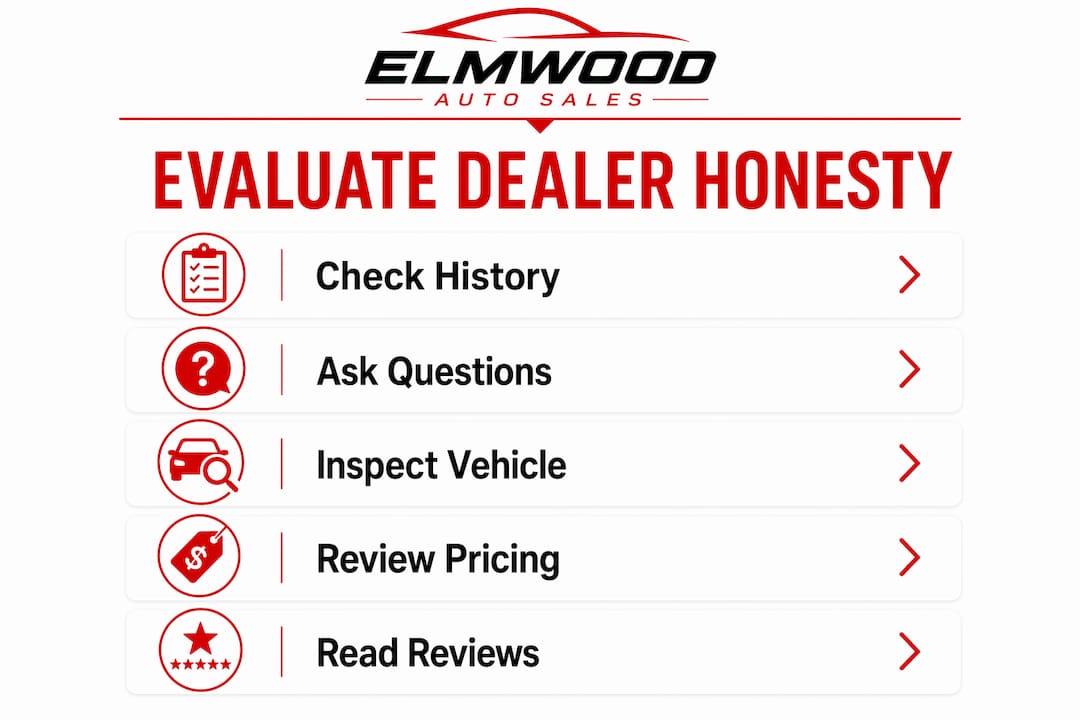
Documentation fees typically fall between $50 and $500. Anything above that range, or any fee labeled vaguely as "dealer prep," "administrative processing," or "lot reconditioning," deserves a direct explanation. If the dealer cannot justify the charge in plain terms, it is likely padding the deal.
Here is the right sequence for evaluating pricing at any dealership:
- Request the out-the-door price first. Demand a full price breakdown that includes the vehicle price, all taxes, registration fees, and documentation charges before any financing discussion begins.
- Compare against market value. Use Kelley Blue Book or Edmunds to verify the asking price against current market data for that make, model, year, and mileage. A dealer who prices significantly above market without explanation is not negotiating in good faith.
- Reject monthly payment framing. Some dealers focus the conversation on monthly payments rather than total cost. This tactic obscures the actual price and makes inflated fees harder to spot. Always anchor the conversation to the total purchase price.
- Question every line item. A legitimate dealer welcomes this. An evasive dealer will not.
- Get everything in writing. Verbal promises about fees being waived or prices being adjusted mean nothing without documentation.
The lowest price is rarely the best value. A higher price from a dealer who provides a warranty, a clean vehicle history, and a certified inspection often costs less over time than a bargain from a dealer who hides problems. Total cost of ownership, not sticker price, is the right measure.
Getting pre-approved for an auto loan through a bank or credit union before you visit also strengthens your position. You walk in knowing your budget and your rate, which removes one of the most common pressure points dealers use.
What role do customer reviews and dealership reputation play in spotting honesty?
Online reviews are one of the most reliable research tools available to used car buyers. The key is knowing how to read them correctly.
A 4.5+ star rating on Google, Yelp, and similar platforms combined with active dealer responses signals high transparency and customer care. The response behavior matters as much as the rating. A dealer who replies professionally to negative reviews, acknowledges concerns, and offers resolutions demonstrates accountability. A dealer who ignores complaints or responds defensively does not.
Patterns in reviews outweigh individual ratings when judging dealer honesty. Repeated mentions of "no pressure," "they showed me the full history," or "the price matched exactly what they quoted" are strong trust signals. Repeated complaints about surprise fees, undisclosed damage, or ignored calls after purchase are disqualifying patterns regardless of the average star score.
| Green light signals | Red flag signals |
|---|---|
| Repeated mentions of transparency and fair pricing | Multiple complaints about hidden fees or surprise charges |
| Dealer responds to negative reviews professionally | No responses to complaints or defensive replies |
| Customers mention receiving vehicle history reports | Reviews mention withheld history or undisclosed damage |
| Consistent praise for no-pressure sales experience | Repeated mentions of aggressive or misleading tactics |
| Positive comments about post-sale support | Complaints about being ignored after purchase |
Look beyond the most recent reviews. A dealer with 200 reviews averaging 4.7 stars over three years is more reliable than one with 15 reviews averaging 5.0 stars from the past month. Volume and consistency over time reflect genuine reputation.
What practical steps can you take during dealership visits to verify honesty?
The dealership visit is your best opportunity to confirm what reviews and research suggest. What you observe in person tells you more than any website.
Start with direct questions. Ask the salesperson about the vehicle's previous ownership, any known mechanical issues, and whether any recalls are open. An honest dealer answers without hesitation. Vague responses or subject changes are telling. Ask to see the maintenance records and verify whether the vehicle has a current state inspection certificate.
The physical condition of the dealership lot is not always indicative of honesty. A modest or older facility can belong to a completely transparent dealer. Focus on how the staff communicates, not how the building looks. Openness, directness, and willingness to answer hard questions matter far more than curb appeal.
Here is what to check during your visit:
- Ask for the vehicle's full service history and verify it matches the CARFAX report
- Request confirmation of certification status and what the certification covers
- Insist on a test drive that includes highway speeds and varied road conditions
- Schedule an independent PPI with a mechanic of your choosing, not the dealer's preferred shop
- Observe how the salesperson handles your questions. Patience and specificity are good signs
Pro Tip: Bring a printed copy of the Kelley Blue Book or Edmunds valuation for the specific vehicle. Showing a dealer you have done your research changes the dynamic immediately. Dealers who respect informed buyers are the ones worth working with.
Understanding dealer certification standards also helps you ask better questions on-site. Certified pre-owned programs vary widely, and knowing what a certification actually covers prevents you from paying a premium for minimal protection.
Key Takeaways
Spotting a trustworthy used car dealer requires verifying vehicle history disclosure, confirming fair and transparent pricing, and observing how the dealer responds to direct questions and independent scrutiny.
| Point | Details |
|---|---|
| Demand vehicle history upfront | Honest dealers provide CARFAX reports freely without being asked. |
| Always get an independent PPI | A $100–$150 inspection uncovers hidden issues and strengthens your negotiating position. |
| Request out-the-door pricing | Full price disclosure before financing prevents hidden fees from entering the deal. |
| Read review patterns, not just ratings | Repeated mentions of transparency and responsiveness predict dealer honesty better than star averages. |
| Focus on dealer behavior, not lot appearance | Openness, direct answers, and inspection willingness matter more than how the facility looks. |
What I have learned from years of watching buyers make the same mistakes
Most buyers walk into a dealership focused on the wrong things. They notice the showroom lighting, the salesperson's friendliness, and the sticker price. What actually determines whether the deal is honest is almost invisible until something goes wrong.
The buyers who get the best outcomes are the ones who treat the dealership visit as a verification process, not a shopping trip. They already know the market value of the vehicle they want. They have their financing arranged. They ask specific questions and watch how the dealer responds to pressure. That preparation is not paranoia. It is the difference between a reliable purchase and an expensive lesson.
The single biggest mistake I see is buyers skipping the independent inspection because the dealer seems trustworthy or the price seems fair. A dealer's personality and a reasonable sticker price do not tell you whether the transmission is failing or the frame has been repaired. A written PPI report does. No honest dealer will refuse to let you get one.
Pricing transparency is the other area where buyers consistently give too much ground. Accepting a monthly payment conversation without first nailing down the total price is how fees accumulate unnoticed. Always anchor to the out-the-door number. If a dealer resists that conversation, walk away.
At Elmwoodautosalesri, we operate without commission-based sales tactics because we believe the pressure to close a deal is the root cause of most dishonest behavior in this industry. Buyers who feel rushed make worse decisions. Buyers who feel informed make confident ones. The goal is always the second outcome.
— Elmwood
Why Elmwoodautosalesri makes finding a trustworthy dealer straightforward
Elmwoodautosalesri is a used car dealership in Providence, RI, built around the principles this article describes. There are no hidden fees, no commission-driven pressure, and no reluctance to share vehicle history. Every vehicle goes through a thorough inspection before it reaches the lot, and independent inspections are always welcome.
Financing is handled transparently through Capital One Digital Retail, giving buyers clear terms and real options regardless of credit history. Buy here, pay here solutions are also available for buyers who need flexible arrangements. If you want to understand your financing options before visiting, that resource walks through every major approach. Elmwoodautosalesri is rated among the best dealers in Providence because the buying experience is designed around your confidence, not a sales quota.
FAQ
What makes a used car dealer honest?
An honest used car dealer provides free vehicle history reports like CARFAX, welcomes independent pre-purchase inspections, and discloses all fees in a full out-the-door price before financing begins.
How much should documentation fees cost at a used car dealership?
Documentation fees typically range from $50 to $500. Any fee above that range or labeled vaguely as "dealer prep" or "administrative processing" should be questioned directly.
Should I always get an independent inspection before buying a used car?
Yes. Independent PPIs cost $100–$150 and produce a written report that uncovers hidden mechanical problems. Any dealer who discourages this inspection is a red flag.
How do I use online reviews to find a reliable used car dealer?
Look for patterns of responsiveness and disclosure across multiple reviews rather than focusing on the average star rating. Repeated mentions of transparency and fair pricing are stronger trust signals than a perfect score from a small number of reviewers.
Does a clean dealership lot mean the dealer is trustworthy?
No. Lot condition does not predict dealer honesty. Focus on how the staff communicates, whether they answer direct questions clearly, and whether they support your right to an independent inspection.