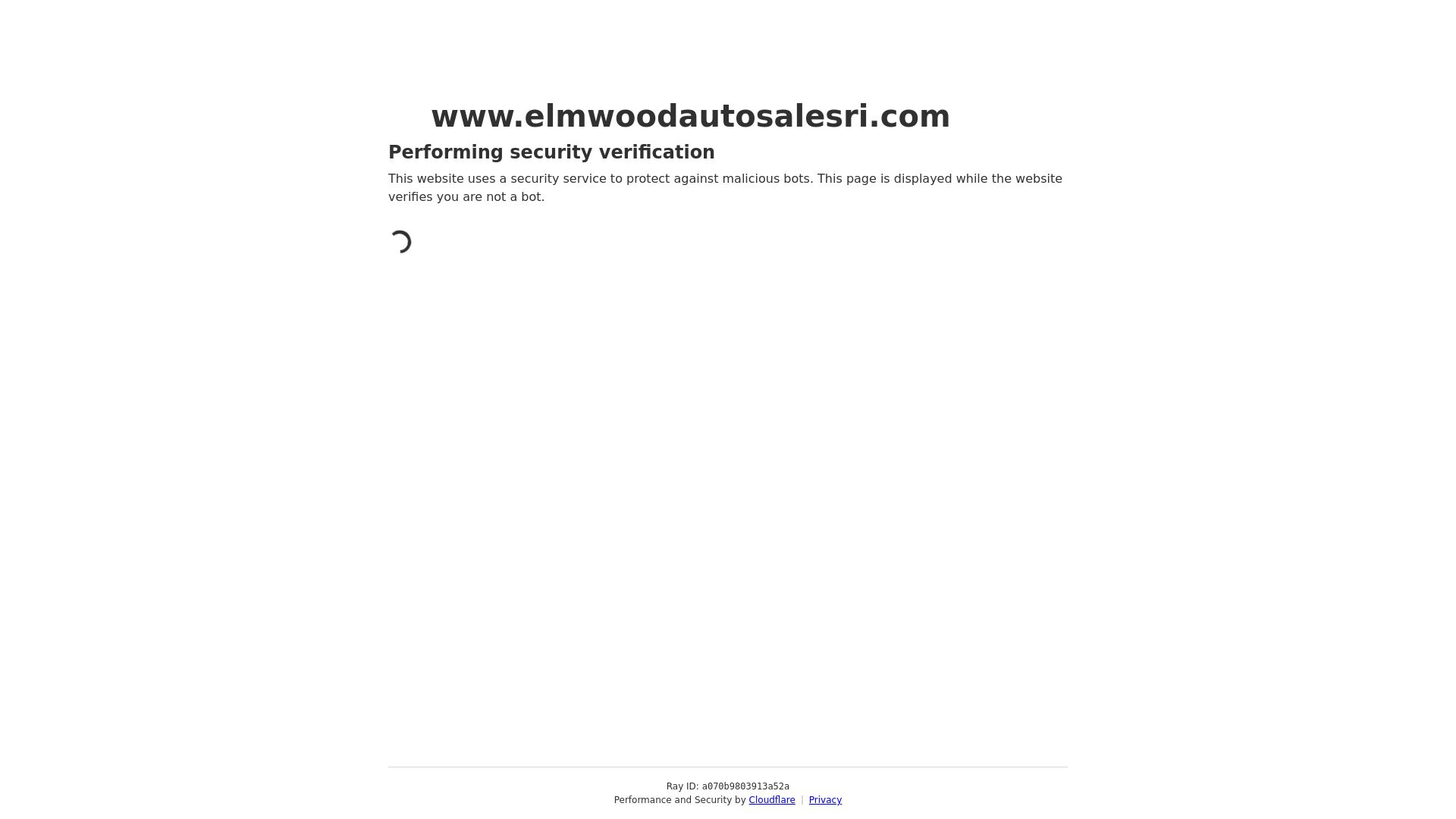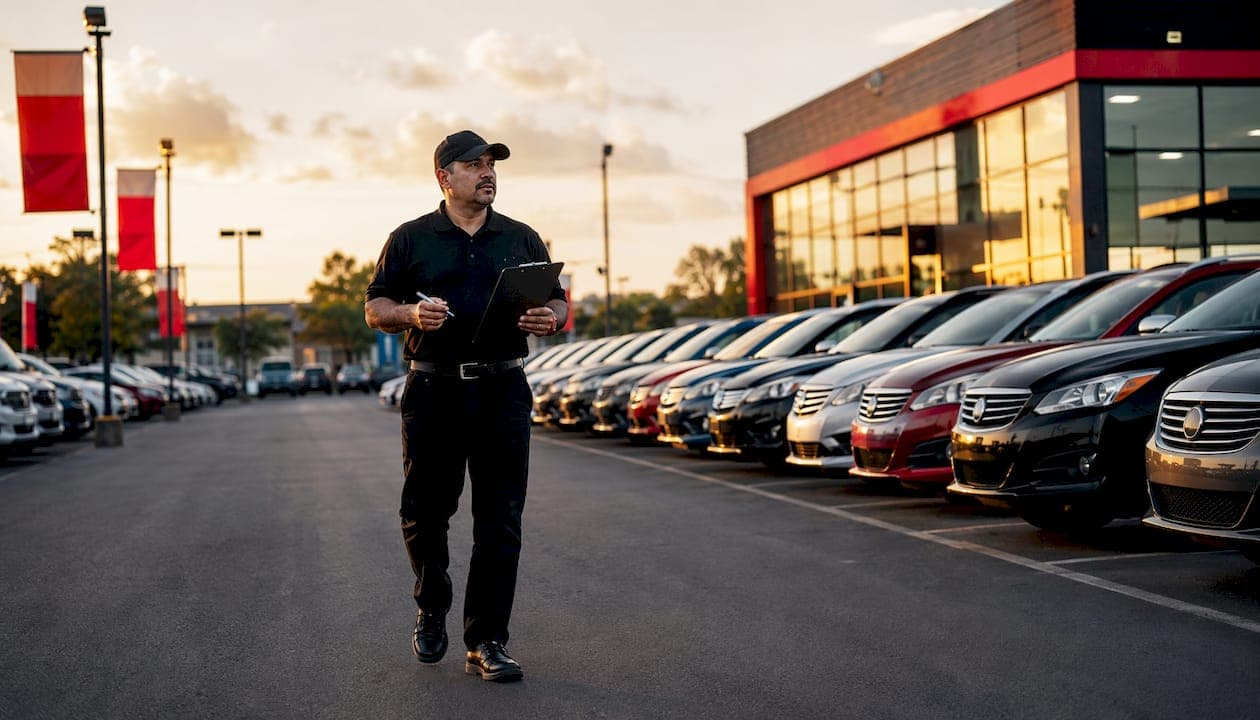
Lot certification at a dealership means passing a state-mandated physical inspection that verifies your premises meet all legal, zoning, and facility requirements for a dealer license. The term itself is not a standardized industry phrase. What it describes, though, is very real: a government inspector visits your location and confirms that your lot, office, signage, and display area all meet the standards your state requires before you can legally sell vehicles.
One important distinction worth making early: lot certification for a dealership is entirely separate from "dealer certified" vehicle programs. The first is about your physical premises and your legal right to operate. The second is about a used vehicle's inspection history and any warranty the dealer attaches to it. Confusing the two is common, but the difference matters. You can read more about dealer certification for buyers if that is what you are researching.
There is also a land-use version of the term. In counties like Skagit County, Washington, "lot certification" refers to a municipal review confirming a parcel is a legal lot of record eligible for development. That process involves property deeds and assessor maps. It has nothing to do with automotive dealer licensing.
For dealerships, the core elements of lot certification typically include:
- Zoning compliance: The property must be zoned for commercial vehicle sales, not just general commercial use.
- Permanent office space: A dedicated, enclosed office with a phone, furniture, and posted business hours.
- Visible signage: A permanent sign readable from the public road displaying the dealership name.
- Properly surfaced display area: A paved or otherwise approved surface for displaying vehicles to the public.
- Proof of business registration: State licensing agencies require a registered business entity, not an individual applicant.
Failing any of these during inspection leads to license denial or suspension as of 2026.
What legal and zoning requirements govern your dealership lot?
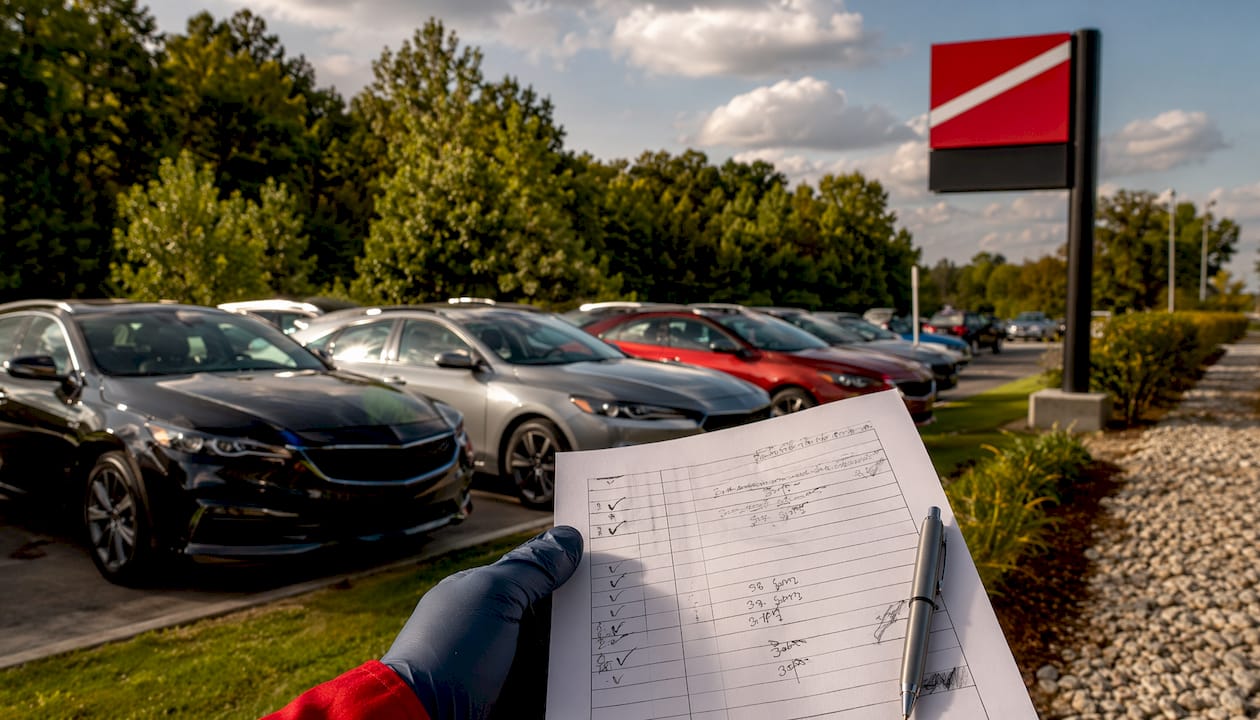
Zoning is the first gate. Before you sign a lease or purchase a property, you need written confirmation from your local planning or zoning department that the address is approved for vehicle sales. A location zoned for general commercial use may still prohibit a car lot, and discovering that after signing a lease is a costly mistake.
Beyond zoning, state motor vehicle agencies impose their own facility standards. These typically require:
- A commercial location, not a residential address or home garage.
- A permanent structure for the business office, not a temporary trailer or tent.
- Signage that meets minimum size requirements and is visible from the public road.
- A vehicle display area large enough to show inventory while the business is open.
- Local government approvals, including any required business licenses or permits from the municipality.
The consequences of skipping this process are serious. Operating without proper zoning approval or a valid premises certification can result in enforcement actions from your state motor vehicle agency, forced suspension of operations, and potential legal penalties. Dealerships that receive a deficiency notice typically must correct the problem and pass a re-inspection before resuming sales. Requirements vary by state, so checking your specific state's motor vehicle agency rules is the right starting point. Rhode Island dealers can review the 2026 licensing requirements for state-specific guidance.
How does the dealership premises inspection process work in 2026?
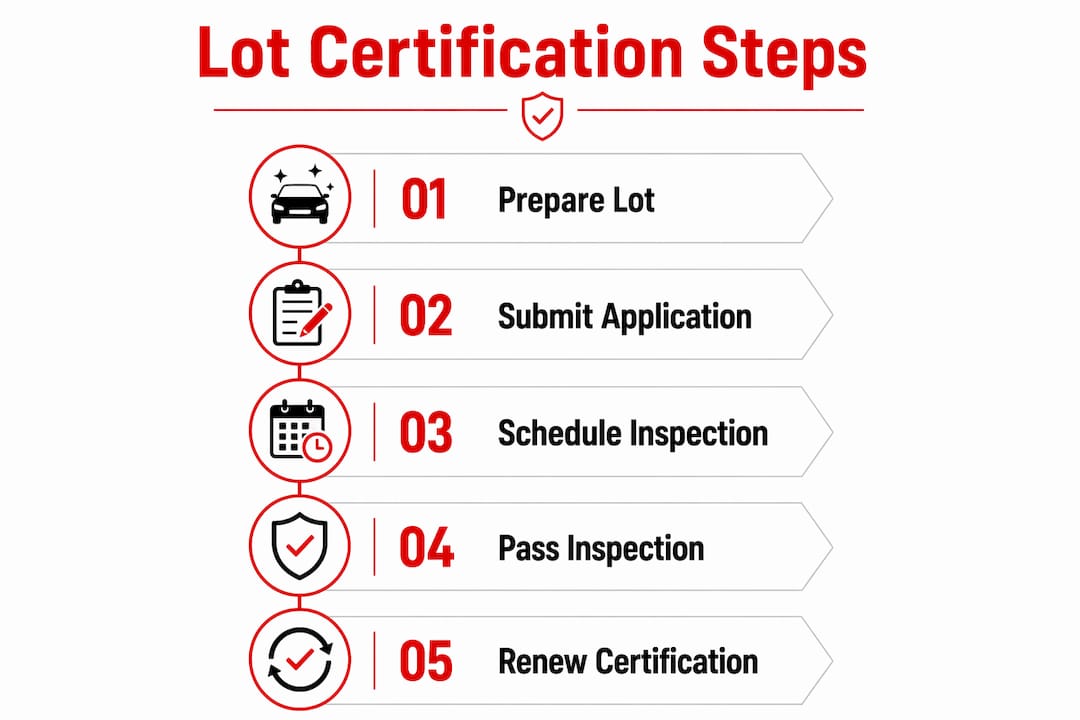
After you submit your dealer license application, the state motor vehicle agency schedules a physical inspection of your location. An inspector visits and evaluates whether your facility meets all required standards before approving your license.
The inspection typically covers:
- Office facilities: Dedicated space with required furniture, a working phone, and posted business hours.
- Signage: Permanent sign with the dealership name, meeting minimum size and visibility standards.
- Display area surface: Paved or properly approved surface for vehicle display.
- Lot lighting and safety: Adequate lighting for the display area and safe customer access.
- Documentation on site: Proof of zoning approval, business registration, and insurance.
Common reasons for failing an inspection include signs that are too small or not visible from the road, display areas that are not properly surfaced, missing posted business hours, and offices that lack required furniture or phone service. According to LegalClarity's dealer license guidance, if you fail, you can usually correct the deficiency and request a re-inspection without restarting your entire application.
Certification is not permanent. Most states require renewal on an annual or biennial basis, and re-inspection may be triggered by a change of address, a complaint, or a routine audit cycle. Keeping your facility in continuous compliance, not just at inspection time, protects your license year-round.
Pro Tip: Before your scheduled state inspection, walk your lot with the TxDMV Dealership Premises Checklist as a reference. Even if you operate outside Texas, the TxDMV checklist covers the most common inspection failure points and gives you a reliable pre-inspection framework.
How should you design and lay out a compliant dealership lot?
A compliant lot layout does more than satisfy an inspector. It also creates a better experience for customers and reduces the chance of day-to-day compliance problems. The two goals align more often than dealers expect.
Key design considerations include:
- Display area surfacing: Paved surfaces are the standard requirement in most states. Gravel or dirt lots frequently fail inspection and create safety and liability concerns.
- Signage placement: Mount your primary sign where it is clearly visible from the public road, at the required height and size. Interior signs for pricing, hours, and required disclosures should be placed at customer eye level.
- Office placement: The office should be accessible to customers without requiring them to walk through the vehicle display area. Clear pathways and accessible entry points matter for both compliance and customer comfort.
- Lighting: Adequate lot lighting is a facility audit requirement and a practical safety measure for evening hours.
- Vehicle placement: Vehicles should be arranged to allow safe pedestrian access and clear visibility of window stickers and pricing, which also supports price consistency between your lot and your online listings.
A full dealership facility audit in 2026 covers eight physical zones: exterior and signage, showroom, customer lounge, service reception, workshop, parts department, restrooms, and bodyshop where applicable. Lot design decisions made early in the setup process are far easier to correct than retrofits after a failed inspection.
For buyers curious about what a well-run lot signals about a dealership's overall standards, the signs of a trustworthy dealership guide covers this from the customer's perspective. International buyers researching used vehicle standards can also find useful context in what to check when buying a used car.
How do dealers maintain lot certification after the initial approval?
Passing the initial inspection is the starting point, not the finish line. Ongoing compliance requires consistent attention to the same standards the inspector evaluated on day one.
Practical steps for maintaining certification include:
- Maintain a compliance binder: Keep copies of your zoning approval, business registration, insurance certificates, inspection reports, and any state-issued permits in one organized location. Maintaining this documentation makes state audits faster and reduces the risk of a failed re-inspection.
- Conduct internal lot audits: Successful dealerships run daily pre-lot placement checklists to verify that signage is intact, vehicles are properly displayed, and lot conditions meet standards before opening.
- Keep signage current: Replace damaged or faded signs promptly. Signage that was compliant at inspection can become a violation if it deteriorates.
- Staff your office during posted hours: An unstaffed office during stated business hours is a compliance failure in most states.
- Monitor lot surface conditions: Potholes, drainage problems, or surface deterioration can create both safety issues and inspection failures.
Pro Tip: Create a monthly internal checklist that mirrors your state's inspection criteria. Assign a staff member to complete it and file the results in your compliance binder. This practice catches small problems before they become violations and demonstrates good faith to regulators if a complaint triggers an unscheduled audit.
Penalties for operating without valid lot certification or failing to correct deficiencies after notice can include fines, license suspension, and in serious cases, forced closure until compliance is restored. The cost of prevention is far lower than the cost of enforcement.
Key Takeaways
Lot certification for a dealership means passing a state-required physical inspection that verifies zoning compliance, permanent office space, visible signage, and a properly surfaced display area before a dealer license is issued or renewed.
| Point | Details |
|---|---|
| Lot certification is premises-based | It covers your physical location's legal and facility compliance, not vehicle inspection programs. |
| Zoning approval comes first | Confirm commercial vehicle sales zoning with your local planning department before signing a lease. |
| Common inspection failures | Undersized signage, unpaved display areas, missing posted hours, and inadequate office facilities top the list. |
| Certification requires renewal | Most states require periodic re-inspection; continuous compliance protects your license between cycles. |
| Documentation prevents penalties | A compliance binder with permits, inspection reports, and zoning approvals reduces audit risk year-round. |
Elmwoodautosalesri operates as a licensed, inspected dealership in Providence, RI, meeting the facility and compliance standards that protect both the business and its customers. If you are shopping for a reliable used vehicle from a dealer you can trust, visit Elmwood Auto Sales to browse current inventory and explore financing options built for a range of credit histories.