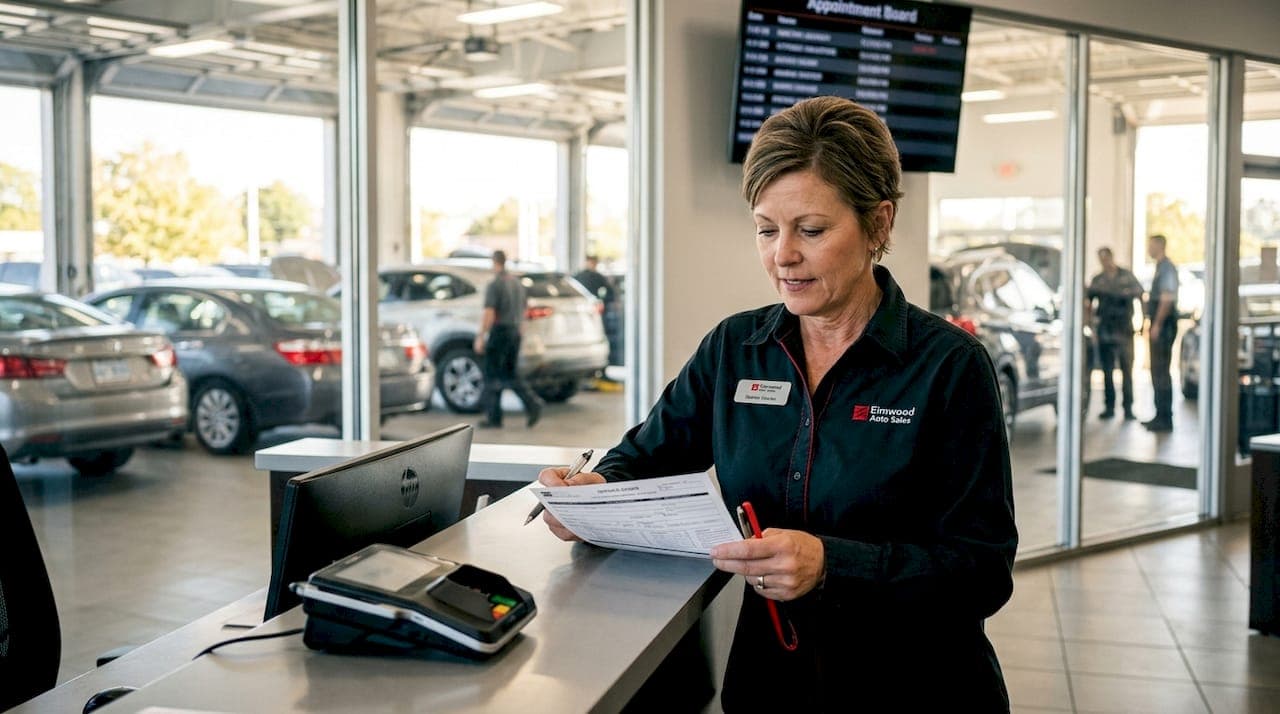
After-sale support at a dealership is defined as the full range of maintenance, repair, warranty, and communication services a dealer provides after you drive off the lot. This ongoing support directly shapes how long your vehicle stays reliable, how much it retains in resale value, and whether you return to the same dealer for your next purchase. Industry data shows a positive service experience increases the likelihood a customer will repurchase at the same dealership by 70%. That single number tells you everything about why the role of after-sale support at a dealership matters far beyond the transaction itself.
What does after-sale support at a dealership actually include?
After-sale support, also called aftersales service in the industry, covers every touchpoint between a dealership and a vehicle owner after the sale closes. It is not a single department. It is a system of services designed to keep your vehicle running and your trust intact.
The core components include:
- Routine maintenance and repair: Oil changes, tire rotations, brake inspections, and scheduled tune-ups performed by trained technicians who know your vehicle's make and model.
- Warranty coverage and extended plans: Factory warranties cover defects for a set period. Extended service contracts pick up where factory coverage ends, protecting you from unexpected repair costs.
- Diagnostic and technical support: Dealerships use brand-specific diagnostic software that independent shops often cannot access. This matters when a warning light appears and the fix requires proprietary tools.
- Video vehicle inspections: Technicians send digital video updates directly to your phone, showing exactly what needs attention and why. This practice increases trust and repair approval rates.
- Prepaid maintenance programs: These plans let you lock in current labor and parts rates for future services. Prepaid maintenance programs help owners control costs and guarantee priority scheduling.
- Loyalty offers and service discounts: Long-term customers often receive exclusive pricing on parts, labor, and accessories.
Pro Tip: Ask your service advisor about prepaid maintenance plans at the time of purchase, not after. Locking in rates before prices rise saves you money over the full ownership cycle.
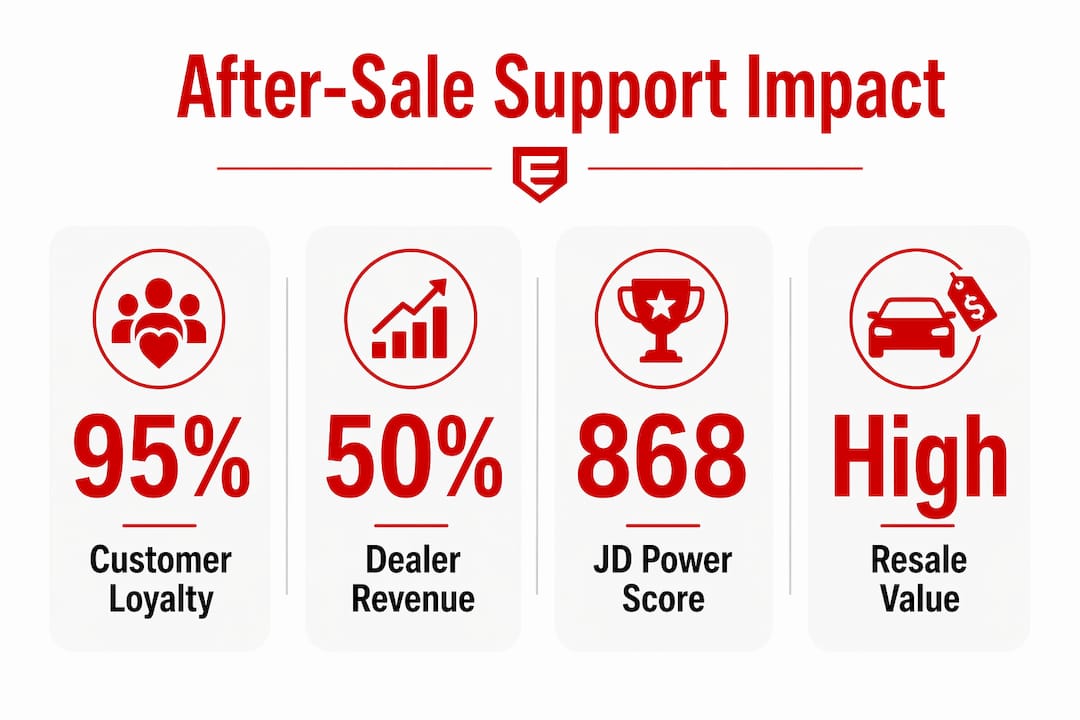
After-sale services benefits extend to the dealership as well. After-sales service and parts contribute approximately 50% of a dealership's total gross profit despite representing a smaller share of total revenue. That means the service lane is not a side operation. It is the financial backbone of most dealerships.
How does after-sale support affect customer loyalty?
Quality after-sale support is the single strongest driver of long-term customer loyalty. 95% of consumers report that service support quality is a primary factor in brand choice and future purchasing decisions. That figure reframes the entire ownership experience. Every service visit is a loyalty test.
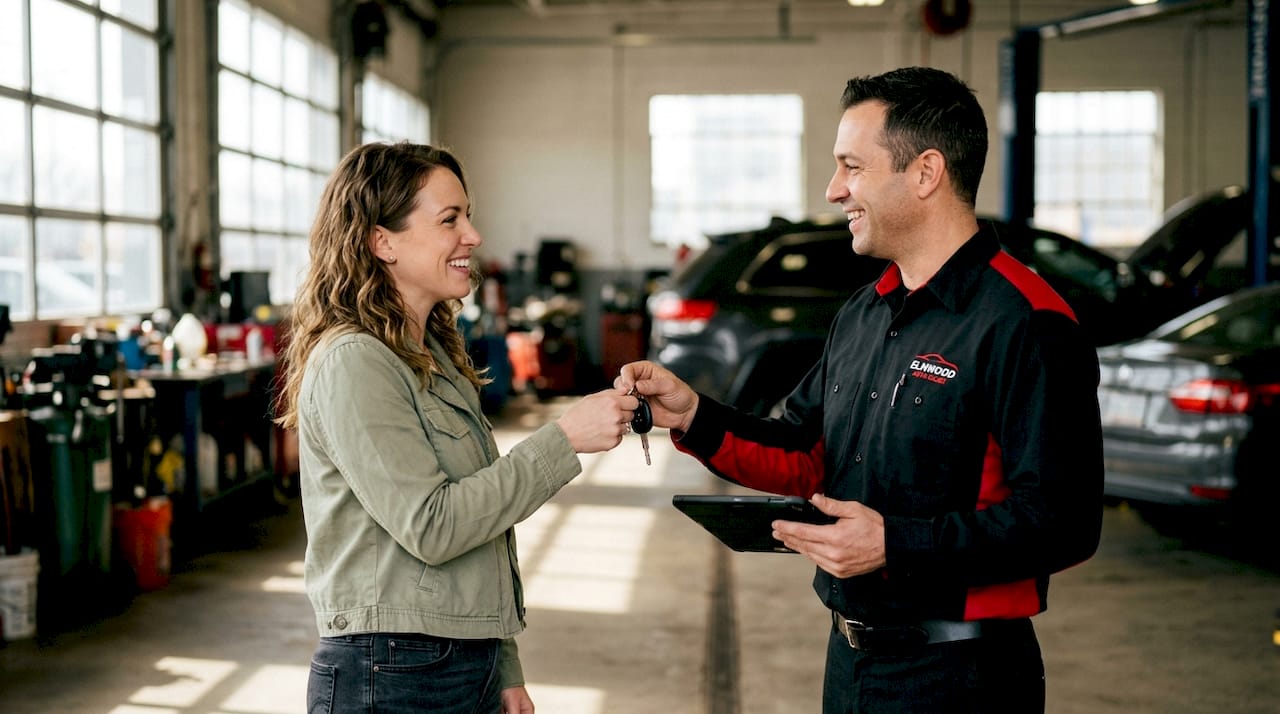
The connection between service and repurchase behavior is direct. Customers who receive consistent, transparent service are far more likely to return to the same dealer when their lease ends or when they are ready to upgrade. They are also more likely to refer friends and family. Word-of-mouth referrals from satisfied service customers cost a dealership nothing and carry more weight than any advertisement.
Vehicle reliability and resale value are also tied to documented service history. A car serviced regularly at a dealership carries a verifiable maintenance record. That record increases buyer confidence and supports a higher trade-in or private sale price. You protect your investment by staying current with dealer-recommended service intervals.
The post-warranty phase is the most vulnerable period in the ownership cycle. Dealerships risk losing customers after the factory warranty expires if they fail to engage with personalized offers or loyalty discounts. Owners who feel forgotten after warranty expiration often migrate to independent shops, breaking the service relationship permanently. Dealerships that reach out proactively with targeted maintenance reminders and competitive pricing retain far more of these customers.
Customer expectations have also shifted. Owners now expect shorter wait times, digital communication, and transparency about what work is being done and why. The dealership service department role has evolved from a reactive repair shop into a proactive relationship manager. Dealers who meet this expectation build loyalty that outlasts any single vehicle purchase.
What challenges do dealerships face in after-sale service?
Delivering consistent after-sale support is harder than it looks. Scheduling delays, communication gaps, and failed service-to-parts handoffs are the leading causes of customer attrition in dealership service departments. Owners leave not because of price, but because of friction. A missed callback or a two-week wait for a routine appointment sends customers to the nearest independent shop.
Here are four practical steps you can take to get better service from your dealership:
- Request a dedicated service advisor. A consistent point of contact reduces communication errors and builds a record of your vehicle's history at that location.
- Opt into digital updates. Ask for text or video updates during your service visit. Dealers who offer this feature improve transparency and reduce the number of surprise charges at pickup.
- Use online scheduling tools. The JD Power 2026 U.S. Customer Service Index Study reports an average 5.2-day wait for a dealer service appointment. Booking online in advance, rather than calling the day of, reduces your wait significantly.
- Enroll in a prepaid maintenance plan early. These programs prioritize enrolled customers and lock in pricing before labor rates increase.
Pro Tip: Before your first service visit, ask the dealership whether they offer loaner vehicles for appointments that run longer than two hours. Many dealers provide this at no charge, but few customers think to ask.
Understanding customer service standards at dealerships helps you set realistic expectations and hold your dealer accountable when service falls short.
How does dealership service compare to other repair options?
Dealership service and independent repair shops each serve different needs. The right choice depends on what your vehicle requires and where you are in the ownership cycle.
| Feature | Dealership service | Independent shop |
|---|---|---|
| Brand-certified technicians | Yes, trained on your specific make | Varies by shop and technician |
| Proprietary diagnostic tools | Yes, required for many modern vehicles | Limited or unavailable |
| Warranty validity | Maintained with authorized service | May void extended warranty terms |
| Cost per visit | Generally higher | Often lower for routine work |
| Digital communication tools | Increasingly standard | Rare at most independent shops |
| Post-warranty support | Personalized retention offers | No ownership relationship |
Dealerships hold a clear advantage when your vehicle is under warranty or when a repair requires brand-specific software. Dealer certification matters most during these periods because unauthorized repairs can affect warranty coverage. Independent shops often offer lower prices on routine work like oil changes and tire rotations, but they cannot replicate the diagnostic depth or the relationship continuity that a dealership provides over a full ownership cycle.
The growing demand for transparency is pushing dealerships to modernize. Digital transparency tools like video inspections are becoming a standard expectation, not a premium feature. Dealers who invest in these tools close the trust gap that has historically pushed owners toward independent alternatives.
Key Takeaways
After-sale support is the most direct driver of customer loyalty, vehicle value retention, and long-term dealership profitability, making it a priority for every vehicle owner from day one of ownership.
| Point | Details |
|---|---|
| Loyalty starts at the service lane | A positive service experience increases repurchase likelihood by 70% at the same dealership. |
| After-sales drives dealership profit | Service and parts generate approximately 50% of total dealership gross profit. |
| Post-warranty is the critical window | Owners who receive personalized offers after warranty expiration are far more likely to stay loyal. |
| Friction causes more attrition than price | Scheduling delays and communication gaps drive customers away faster than high service costs. |
| Transparency builds long-term trust | Video inspections and digital updates increase repair approvals and owner confidence. |
What I have learned about after-sale support after years in this business
After-sale support is not a department. It is a commitment. The dealerships that treat every service visit as a one-off transaction lose customers the moment a competitor offers a lower oil change price. The ones that build a real relationship, remembering your vehicle's history, calling before your next service is due, and explaining repairs clearly, keep customers for life.
What I have seen at Elmwoodautosalesri confirms this. Buyers who feel supported after the sale do not shop around when it is time for their next vehicle. They come back because the relationship has already been built. That trust is worth more than any promotional offer.
The post-warranty phase is where most dealerships fail. Owners feel abandoned the moment the factory coverage ends. A simple, personalized outreach with a fair maintenance offer changes that dynamic entirely. It signals that the dealership sees you as a long-term partner, not a closed transaction.
Technology is accelerating this shift. Video inspections, digital scheduling, and real-time service updates are no longer differentiators. They are the baseline expectation. Dealerships that have not adopted these tools are already behind. The ones that use them well build the kind of transparency that turns first-time buyers into repeat customers and vocal advocates.
My honest advice: treat your service relationship with the same care you gave to choosing your vehicle. Ask questions, stay engaged, and use every tool your dealership offers. The return on that investment shows up in your vehicle's reliability, its resale value, and the confidence you carry into your next purchase.
— Elmwood
Elmwoodautosalesri's commitment to you after the sale
At Elmwoodautosalesri, the relationship with every customer does not end at the point of sale. The team in Providence, RI, is built around transparency, honest communication, and the kind of support that keeps your vehicle running and your confidence high long after you leave the lot.
Elmwoodautosalesri offers vehicle support options that include thorough pre-sale inspections, tailored financing, and a no-pressure approach to every interaction. Whether you need guidance on maintenance schedules, financing solutions for your next vehicle, or simply want to work with a dealer you can trust, Elmwoodautosalesri is rated among the best in Providence for a reason. Visit the site to see current inventory and connect with a team that treats after-sale care as a standard, not an add-on.
FAQ
What is the role of after-sale support at a dealership?
After-sale support covers all maintenance, repair, warranty, and communication services a dealership provides after the vehicle purchase. Its primary role is to sustain vehicle performance, protect your investment, and build long-term owner loyalty.
How does after-sale service affect vehicle resale value?
Regular dealer-documented service creates a verifiable maintenance record that increases buyer confidence and supports a higher trade-in or resale price. Consistent service history is one of the most reliable indicators of vehicle condition.
Why do customers leave dealerships after the warranty expires?
Dealerships risk losing customers post-warranty when they fail to offer personalized maintenance plans or loyalty pricing. Proactive outreach during this transition phase is the most effective retention strategy.
What is the average customer satisfaction score for dealer service?
The JD Power 2026 Customer Service Index reports an average dealer service satisfaction score of 868 out of 1,000. The same study records an average 5.2-day wait for a service appointment.
Are prepaid maintenance plans worth it at a dealership?
Prepaid maintenance plans lock in current labor and parts rates, reduce scheduling friction, and increase the likelihood you stay current with service intervals. For owners planning to keep their vehicle beyond the warranty period, these plans offer measurable cost and convenience advantages.