
Buying your first used car is a manageable process when you follow five clear steps: set a budget, research vehicles, inspect thoroughly, secure financing, and negotiate the final price. This buying first used car guide covers each step with specific numbers, industry standards, and practical tools so you can make a confident, informed decision. The recommended price range for first-time buyers is $8,000–$20,000, a window that balances affordability with reliability. Total ownership costs should stay at or below 15% of your gross monthly income. Follow this structure and you avoid the most expensive mistakes first-time buyers make.
How to set a realistic budget for your first used car
Your budget is the single most important decision you make before stepping onto any lot. Get it wrong and every other step becomes harder.
Start with your gross monthly income and cap total car costs at 15% of that figure. Total car costs include your monthly loan payment, insurance premium, fuel, and a maintenance reserve. Budget $50–$100 per month for maintenance alone, because even reliable used vehicles need oil changes, tires, and occasional repairs.
- Purchase price: Target the $8,000–$20,000 range for a balance of reliability and low depreciation risk.
- Down payment: Aim for 20% of the purchase price to reduce your loan balance and avoid negative equity.
- Monthly payment: Use an online loan calculator to preview payments before you shop.
- Insurance: Get quotes for your top two or three vehicle choices before you commit. Insurance costs can vary by up to 40% between similar vehicles, so the model you choose matters.
- Maintenance reserve: Set aside $50–$100 per month from day one.
Pro Tip: Never negotiate around a monthly payment number. Dealers can stretch loan terms to 72 or 84 months to hit a payment target, which dramatically increases total interest paid. Always focus on total price first.
Once you have a clear monthly ceiling, you shop with confidence. You know exactly when a deal is good and when to walk away.
How to research and select a reliable used vehicle
Reliable vehicle research starts with pricing data, not gut feeling. Use Kelley Blue Book, Edmunds, and CarGurus to establish fair market value for any car you consider. These tools show you what similar vehicles sell for in your zip code, which gives you a negotiation baseline before you contact a single seller.
Reliability ratings from Consumer Reports and J.D. Power identify which models hold up well over time. Cross-reference those ratings with owner forums and community feedback to get real-world perspective that official ratings sometimes miss.
Buying a 2–3-year-old vehicle lets the first owner absorb the steepest depreciation. Typical first-year depreciation runs 15–25%, meaning a two-year-old car can offer significantly more value per dollar than a brand-new model.
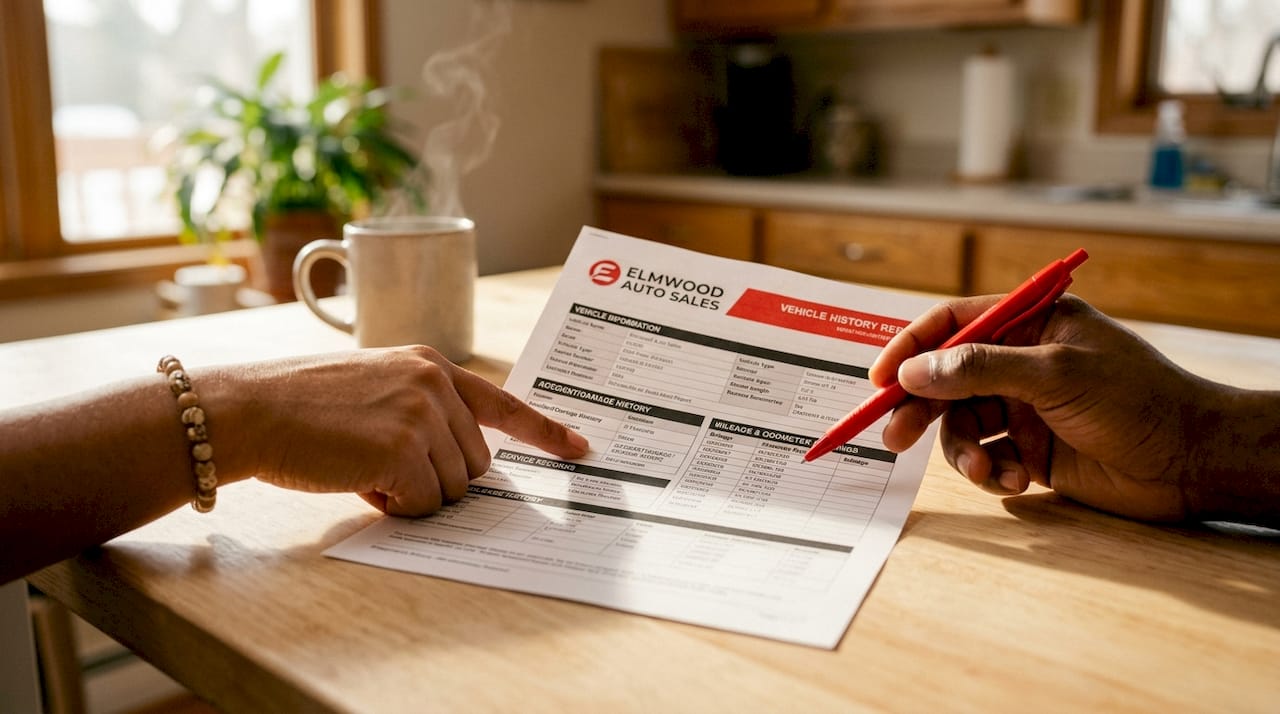
A vehicle history report, available through services like Carfax or AutoCheck, reveals accident records, odometer readings, title status, and service history. Red flags include salvage titles, odometer discrepancies, and ownership periods shorter than one year. Short ownership often signals a problem the previous owner discovered quickly. Walk away from any vehicle with an unresolved title issue.
For buyers working with a tighter budget, the best used cars under $10,000 include models from Toyota, Honda, and Mazda that consistently score well on reliability surveys. These brands tend to have lower long-term maintenance costs, which matters more than sticker price over a three-year ownership period.
What does a proper used car inspection involve?
A thorough inspection follows a specific sequence. Skipping steps or rushing through them is how buyers end up with expensive surprises two months after purchase.
- Sit in the parked car first. Test every electronic feature before starting the engine: windows, locks, mirrors, infotainment, and all dashboard controls. Turn on the HVAC and wait a full minute. Listen for abnormal sounds from the vents and check that both heat and air conditioning reach full temperature.
- Walk the exterior. Look for mismatched paint panels, uneven panel gaps, and rust along the rocker panels and wheel wells. These are signs of prior collision repair or deferred maintenance.
- Check under the hood. Look for oil leaks, corroded battery terminals, and fluid levels. Milky or foamy oil indicates a head gasket problem, which is a major repair.
- Take a minimum 20-minute test drive. Include city and highway driving and turn the radio off so you can hear the car. Listen for clunks over bumps, grinding during braking, hesitation during acceleration, and rough transmission shifts.
- Get a pre-purchase inspection from an independent mechanic. A qualified mechanic charges $100–$150 for a full inspection and can identify issues invisible to an untrained eye. This step alone can save thousands of dollars.
Pro Tip: Never overlook heating and cooling system problems. HVAC repairs on used vehicles can run $500–$2,000 depending on the issue. If the system does not perform correctly during your parked inspection, factor that repair cost into your offer or walk away.
How do financing options work for first-time used car buyers?
Financing is where first-time buyers lose the most money if they are not prepared. The difference between a good loan and a bad one comes down to where you borrow and what terms you accept.
- Credit unions offer lower rates. Credit union average APR for used car loans sits at 5.8% compared to a dealer average of 7.1%. On a $15,000 loan over 48 months, that difference adds up to hundreds of dollars in extra interest.
- Get preapproved before you shop. A preapproval letter from your bank or credit union sets your maximum loan amount and interest rate. You walk into the dealership knowing your number, which removes the dealer's ability to control the financing conversation.
- Put 20% down. A 20% down payment reduces your loan balance, lowers your monthly payment, and protects you from negative equity if the car depreciates faster than you pay it down.
- Avoid long loan terms. A 72-month or 84-month loan lowers the monthly payment but increases total interest significantly. Stick to 48 or 60 months when possible.
- Understand your credit profile. If your credit history is limited or damaged, specialized bad credit car buying options exist, including buy-here-pay-here programs that report payments to credit bureaus and help you build your score over time.
For a full breakdown of loan types, secured versus unsecured financing, and how dealer financing compares to direct lending, the types of car financing guide covers each option in detail.
How do you negotiate price and close the deal?
Negotiation is the step most first-time buyers dread, but it becomes straightforward when you treat it as a data exercise rather than a confrontation.
- Start with the out-the-door price. This number includes the vehicle price, taxes, registration fees, and any dealer fees. Negotiate total price before discussing monthly payments or financing terms. Dealers who lead with monthly payments are often hiding the true cost of the deal.
- Get quotes from at least three sellers. Multiple quotes give you real market data and reduce the pressure to accept the first offer you receive.
- Set a walk-away price before you arrive. Decide the maximum you will pay and commit to it. Buyers who negotiate with a clear limit consistently secure better terms than those who decide in the moment.
- Separate each negotiation element. Negotiate the vehicle price first. Then discuss your trade-in value. Then discuss financing. Bundling all three gives the dealer too many variables to work with. For trade-in strategy, the trade-in negotiation guide explains how to present your vehicle and counter lowball offers.
- Watch for yo-yo financing. This tactic involves a dealer letting you drive home before the loan is finalized, then calling days later to say the terms changed. Avoid it by confirming full loan approval in writing before you leave the lot.
Review every document before signing. Confirm the interest rate, loan term, and total amount financed match what you agreed to verbally.
Key Takeaways
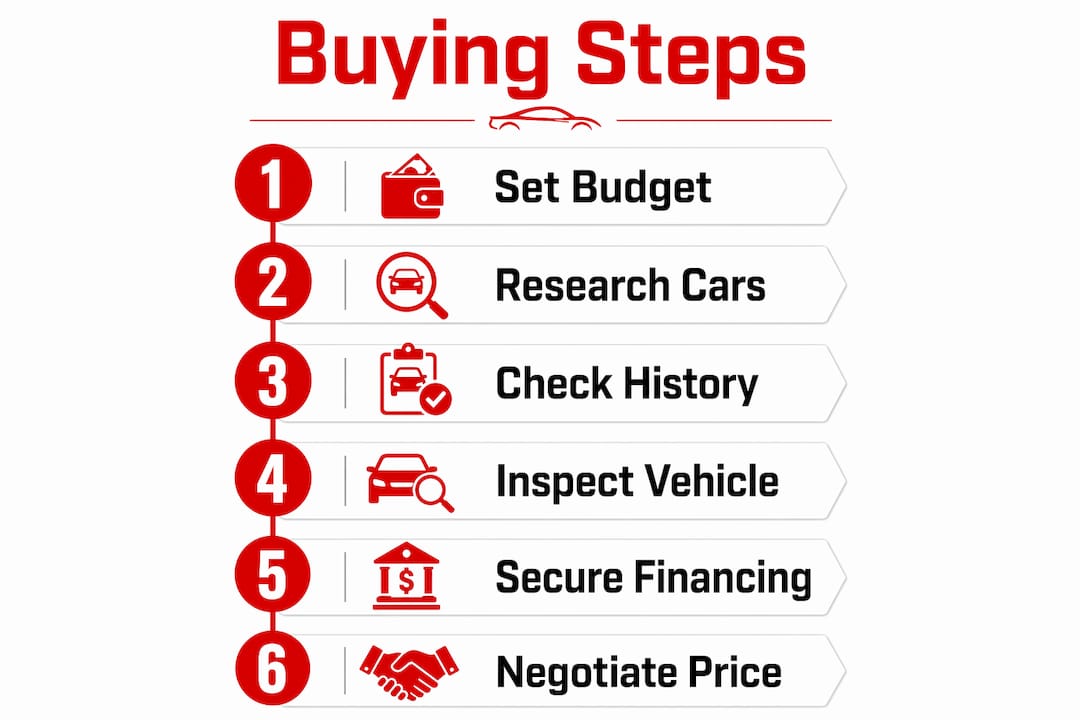
First-time buyers who set a clear budget, research vehicle reliability, inspect thoroughly, secure preapproved financing, and negotiate the out-the-door price consistently get better vehicles at lower total cost.
| Point | Details |
|---|---|
| Budget to 15% of income | Cap all car costs at 15% of gross monthly income, including insurance and maintenance. |
| Target $8,000–$20,000 | This price range offers the best balance of reliability, depreciation value, and affordability. |
| Inspect before you buy | Test all electronics while parked, then drive at least 20 minutes on city and highway roads. |
| Get preapproved financing | Credit unions average 5.8% APR versus 7.1% at dealerships; preapproval locks in your rate. |
| Negotiate out-the-door price | Always agree on total price before discussing monthly payments or financing terms. |
What I have learned from watching buyers make the same mistakes
The most common mistake I see is buyers who walk in focused on a monthly payment number. A dealer can make almost any car fit a monthly budget by stretching the loan term. The buyer drives home thinking they got a deal, then spends the next six years paying interest on a car that depreciated faster than the loan balance dropped. The total price is the only number that matters.
The second mistake is skipping the independent mechanic inspection. Buyers feel awkward asking a seller to wait while a third party looks at the car. That awkwardness costs them. A $125 inspection has saved buyers from $4,000 transmission repairs more times than I can count. Any seller who refuses to allow an independent inspection is telling you something important about the vehicle.
Research is not optional for a first-time buyer. Spending two or three weekends reading reliability data, pulling vehicle history reports, and test-driving multiple options is not excessive. It is the minimum preparation that separates buyers who feel good about their purchase a year later from those who regret it. Walk away from any deal that feels rushed. The right car at the right price will still be available after you do your homework.
— Elmwood
How Elmwoodautosalesri helps first-time buyers find the right vehicle
Elmwoodautosalesri works with first-time buyers across Providence, RI, offering a low-pressure buying experience built on transparent pricing and thorough vehicle inspections. Every car on the lot meets a high safety and reliability standard before it goes on sale.
Elmwoodautosalesri offers tailored financing options for buyers across a range of credit histories, including buy-here-pay-here programs for those still building credit. You can start your financing application online before you visit the lot, which means you arrive knowing your budget and your rate. No commission-based pressure, no hidden fees. Just a straightforward path to a reliable used vehicle that fits your life and your budget.
FAQ
What is a good price range for a first used car?
The recommended price range for first-time buyers is $8,000–$20,000. This range covers reliable vehicles with manageable maintenance costs and avoids the steepest depreciation of brand-new models.
How long should a used car test drive be?
A test drive should last a minimum of 20 minutes and include both city and highway driving. Turn the radio off so you can listen for unusual noises, rough shifting, or brake problems.
Should I get preapproved for a car loan before shopping?
Yes. Preapproval from a bank or credit union locks in your interest rate and sets your maximum loan amount before you negotiate. Credit unions average 5.8% APR compared to 7.1% at dealerships, so preapproval often saves money directly.
What does out-the-door price mean?
Out-the-door price is the total amount you pay to drive the car home, including the vehicle price, taxes, registration fees, and dealer fees. Always negotiate this number rather than a monthly payment.
Do I need a mechanic to inspect a used car before buying?
Yes. An independent mechanic inspection costs $100–$150 and can identify mechanical problems, title issues, and hidden damage that a visual inspection misses. It is the most cost-effective step in the entire buying process.