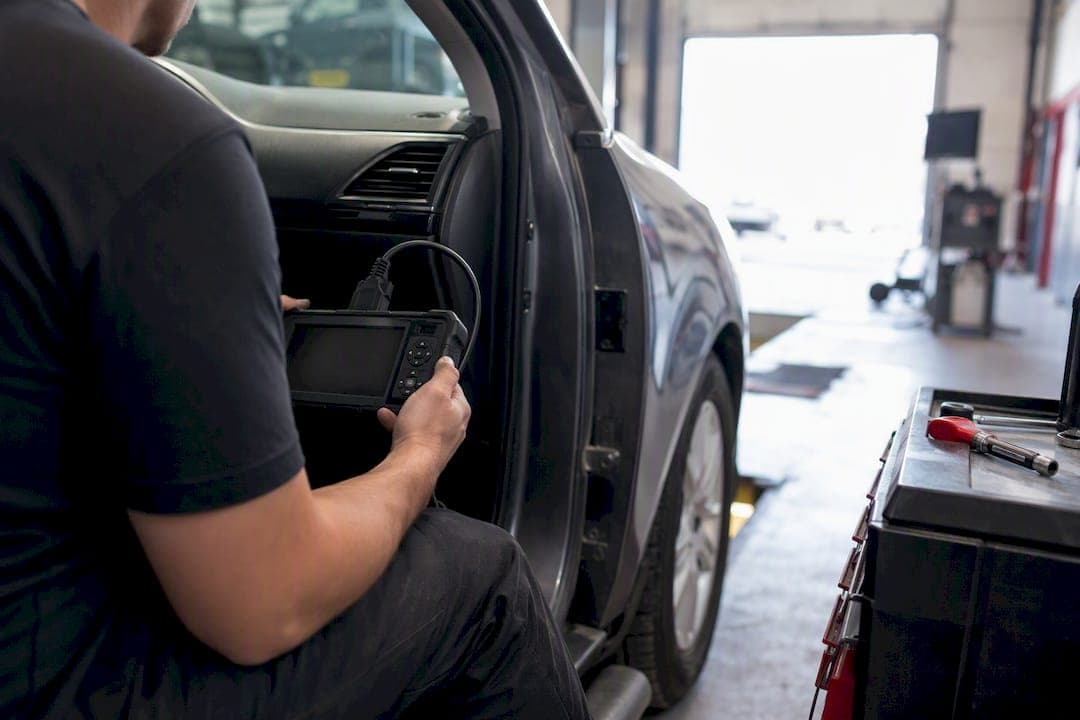
Most Rhode Island light-duty vehicles need a combined safety and emissions inspection every 24 months for $55, and if you just registered a vehicle, you have 5 business days to get it inspected. New vehicles are exempt from inspection for a limited time or mileage, whichever comes first, and electric vehicles skip the emissions test but still need the safety check. If your sticker is current, you're fine. If it isn't, schedule an inspection this week.
TL;DR:
- Rhode Island requires light-duty vehicle inspections every 24 months, with new vehicles exempt for up to two years or 24,000 miles.
- The standard inspection fee is $55, and reinspection within 30 days after repairs is free at the same station.
- Fully electric vehicles only need a safety check, as they are exempt from emissions testing, which uses an onboard diagnostic scan for model year 1996 and newer.
- Vehicles registered or bought in Rhode Island must pass inspection within five business days, with dealer-provided stickers typically issued within 90 days or 500 miles of sale.
- Common reasons for failure include worn tires, broken bulbs, loose gas caps, or unresolved check-engine lights, which can often be fixed cheaply and quickly.
Table of Contents
- How Often Does Rhode Island Require Vehicle Inspections?
- What Does a Rhode Island Inspection Cost?
- Does My Car Need an Emissions Test, and Are EVs Exempt?
- What Happens After You Register a Newly Purchased Vehicle?
- What Do Inspectors Check, and What Fails Most Often?
- How Do Certified Stations and Inspectors Operate in Rhode Island?
- What Should You Verify When Buying a Used Car in Rhode Island?
- Where Can You Confirm Rhode Island Inspection Rules?
- Why Rhode Island's Inspection System Is Stricter Than Drivers Expect
- Sources
How Often Does Rhode Island Require Vehicle Inspections?
The 24-month cycle applies to light-duty vehicles weighing 8,500 pounds or less, which covers the vast majority of passenger cars, SUVs, and pickups on Rhode Island roads. That threshold matters because it separates ordinary commuter vehicles from the heavier trucks and commercial rigs that fall under a stricter annual schedule.
Heavy-duty vehicles, motorcycles, and trailers are inspected every year rather than every two years, and many of these renewals cluster around a June 30 deadline set by the state's inspection regulations. If you own a work truck or tow a trailer regularly, mark that date so you're not caught off guard.
New vehicles get a break. Rhode Island exempts them from inspection for two years or 24,000 miles, whichever comes first, so a brand-new car straight off the lot won't need a sticker check right away, according to the RI Division of Motor Vehicles. Block Island residents face some scheduling exceptions tied to limited ferry access to inspection stations, so islanders should confirm timing directly with the DMV rather than assume mainland deadlines apply.
What Does a Rhode Island Inspection Cost?
Rhode Island runs a fixed statewide fee schedule, so no station can legally charge you more than the posted rate no matter where you go.
These amounts are set under the Official Manual for Vehicle Inspection, so a station charging above them is violating the terms of its state permit. You pay this fee at the time of the initial inspection. If your vehicle fails and you return to the same station within 30 days to fix the flagged issue, the reinspection is free. That 30-day window is one of the more overlooked protections in the whole system, and it's worth remembering when a shop tries to rush you into paying twice.
If you ever suspect a station is tacking on unauthorized charges, report it. Rhode Island can suspend a station's inspection permit for fee violations, which is a real deterrent given how much routine business those permits generate.
Does My Car Need an Emissions Test, and Are EVs Exempt?
Emissions testing in Rhode Island uses an OBD-II scan for model year 1996 and newer vehicles, plugging directly into your car's onboard diagnostic port to check for stored fault codes. A lit check-engine light almost always means an automatic failure, since the OBD-II system flags problems ranging from a loose gas cap to a failing catalytic converter.
Fully electric vehicles are exempt from the emissions portion of the test entirely, but they still need the safety inspection every 24 months, per the DMV's vehicle inspection requirements. That distinction trips people up. Owning an EV doesn't mean skipping the sticker altogether; it just narrows what gets tested.
Diesel vehicles are handled a bit differently. Some diesel models go through OBD-II testing where the equipment supports it, while others rely on a visual inspection of emissions control components instead. If you're driving a modified vehicle with an aftermarket exhaust, it's worth checking whether those changes meet emissions standards before you show up, since exhaust modifications are a common and often avoidable cause of failure, as this exhaust legal checklist lays out.
What Happens After You Register a Newly Purchased Vehicle?
If you register a vehicle in Rhode Island, whether it's new to you or brought in from out of state, you have 5 business days to pass a Rhode Island inspection. Out-of-state inspection stickers carry no weight here, so that clock starts the moment your registration goes through, according to the RI DMV.
Licensed Rhode Island dealers have their own obligation: they must apply a valid inspection sticker at the point of sale, generally within 90 days and under 500 miles of the inspection date. If you're buying from a dealer, that sticker should already be on the windshield when you drive off the lot. Missing the 5-day window on a private sale can lead to registration suspension, so treat that deadline as firm and book your appointment the same day you register.
What Do Inspectors Check, and What Fails Most Often?
A Rhode Island inspection covers a defined list of safety systems, and running through them beforehand can save you a wasted trip and a second $55 charge.
- Headlights, taillights, brake lights, and turn signals
- Horn function
- Mirrors and windshield condition, including cracks in the driver's line of sight
- Windshield wipers and washer fluid spray
- Seatbelts for wear and proper latching
- Tire tread depth and inflation pressure
- Brakes, including the parking brake
- Steering and suspension components
- Exhaust system integrity
- Gas cap seal
On the emissions side, only clear a check-engine light if the underlying repair is actually finished. Clearing a code without fixing the problem often triggers an automatic failure once the OBD-II system flags an incomplete drive cycle. A quick walk-around for fluid leaks or an obviously disconnected emissions component can also catch issues before a certified inspector does.
The most common failure reasons tend to be surprisingly cheap fixes: a burned-out bulb, underinflated or worn tires, a loose gas cap, or a genuine mechanical issue flagged by a stored OBD-II code. Catching these ahead of time is usually a matter of minutes, not money.
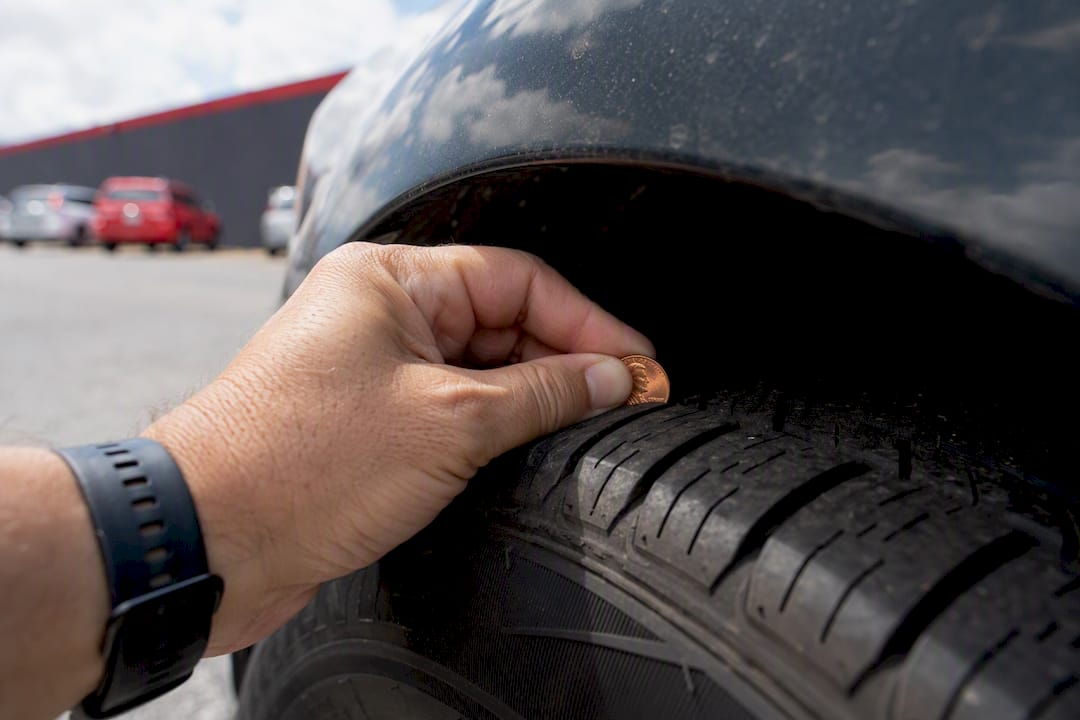
Pro Tip: Check your tire tread with a penny before your appointment. If Lincoln's head is fully visible, your tires are likely too worn to pass, and replacing them yourself is almost always cheaper than a dealer add-on.
How Do Certified Stations and Inspectors Operate in Rhode Island?
Rhode Island inspections happen only at Authorized Inspection and Repair Stations, known as AIRS, and every inspector working there must hold current state certification. Stations are required to maintain calibrated equipment, staff certified technicians, and file inspection reports according to standards laid out in the Official Manual for Vehicle Inspection.
If your vehicle fails, the station must issue a written rejection report listing every defect found. That document is more useful than most drivers realize. It functions as a repair roadmap, and it's also your evidence if you return to the same station within 30 days for a free reinspection, since that shop already has a record of what failed.
Keep the rejection report and your repair receipts together. If a repair needed to fix an emissions failure costs more than the state's repair-cost limit, those documents support a waiver application under DMV procedures. Stations that cut corners on equipment, staffing, or reporting risk permit suspension, which keeps the certified network fairly consistent statewide.
What Should You Verify When Buying a Used Car in Rhode Island?
Every licensed Rhode Island dealer is legally required to apply a valid inspection sticker before selling a vehicle, and at Elmwoodautosalesri, that requirement is just the starting point. Every vehicle on our lot goes through a pre-sale inspection, and we provide the inspection report so you can see exactly what was checked, not just take our word for it.
When you're evaluating any dealer purchase, verify the sticker date, confirm the VIN on the inspection report matches the vehicle, and ask directly whether any work is still pending. Keep that documentation with your other paperwork. If an inspection turns up needed repairs, Elmwoodautosalesri handles the fix before the sale or factors it into flexible financing, so you're never guessing what you're driving off with.
Where Can You Confirm Rhode Island Inspection Rules?
The RI Division of Motor Vehicles publishes current rules, fee schedules, and a directory of authorized stations near you. For the full procedural detail, including rejection reports and waiver criteria, the Official Manual for Vehicle Inspection is the primary reference. Rules occasionally shift, so it's worth checking the DMV site before a renewal rather than relying on last year's sticker date. For station-specific questions, contact the Motor Vehicle Inspection Office directly through the DMV's listed channels.
Why Rhode Island's Inspection System Is Stricter Than Drivers Expect
People tend to treat inspection day like a formality, something to squeeze in between errands. That's a mistake, and it's the reason so many Rhode Island drivers get blindsided by a rejection report over something as basic as a worn wiper blade or a slow tire leak.
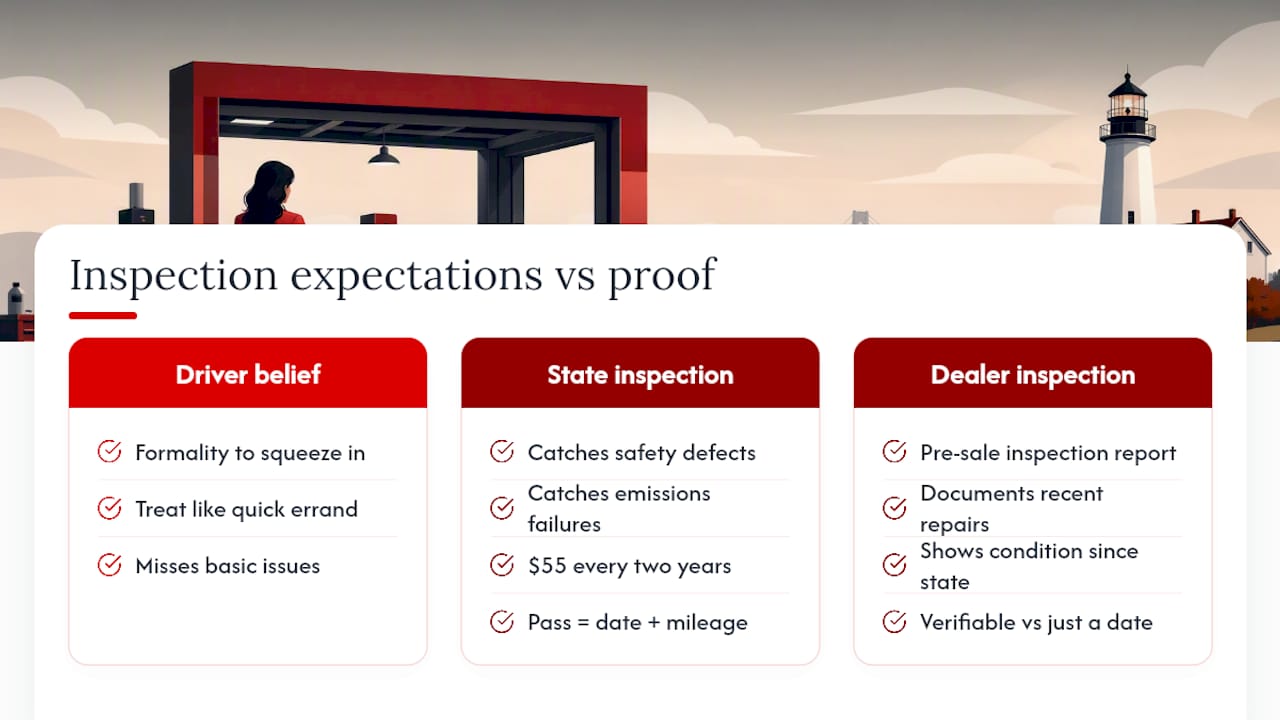
The state's own framing backs this up: the program exists to catch safety defects and critical emissions failures, not to generate fee revenue. That's a meaningful distinction. A $55 fee every two years isn't the state's business model; it's genuinely cheap insurance against driving a vehicle with bad brakes or a failing headlight you haven't noticed yet.
What frustrates buyers most isn't the inspection itself, it's uncertainty about what a used vehicle's sticker actually represents. A sticker tells you a vehicle passed on a specific date under specific mileage. It doesn't tell you what happened to that car in the following 18 months. That gap is exactly why a dealer's own pre-sale inspection report, separate from the state sticker, matters so much when you're comparing used vehicles. The paperwork should tell a story you can verify, not just a date you have to trust.
— Elmwood