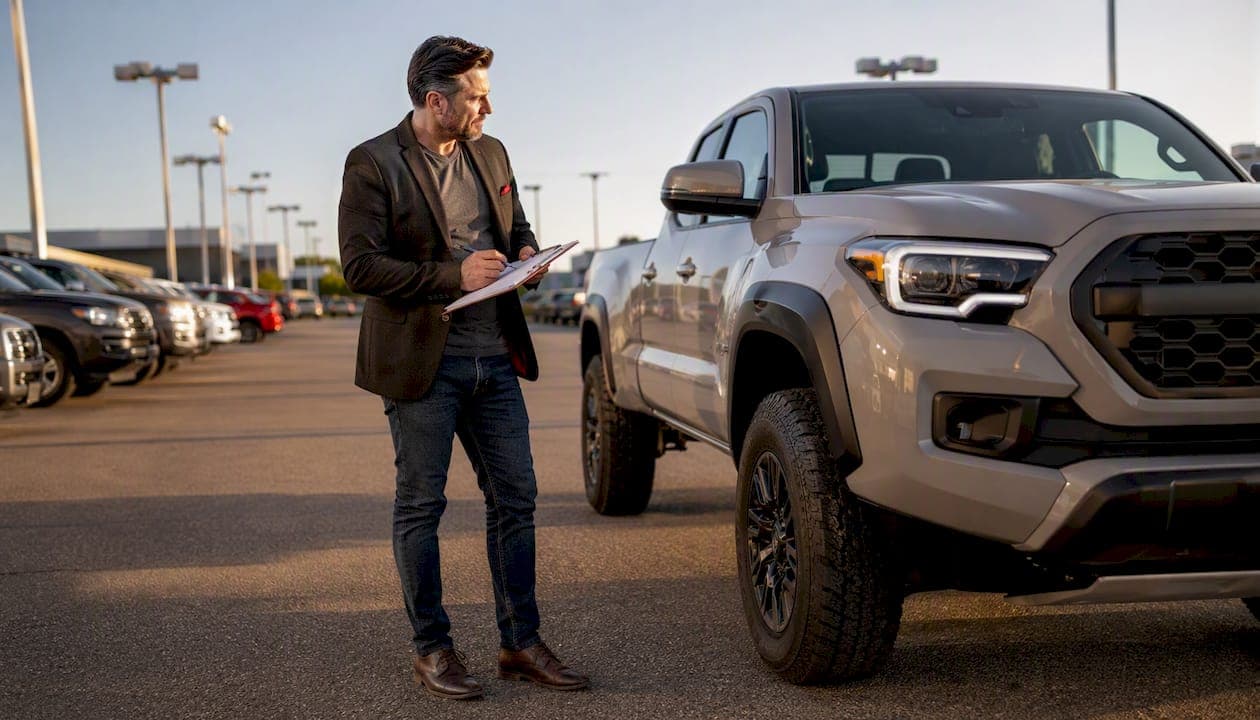
The Toyota Tacoma leads all vehicles in 2026 with a projected 5-year retained value of 63.0%, according to Kelley Blue Book's 24th annual Best Resale Value Awards. That single number tells you something worth knowing before you sign any purchase agreement: the vehicle you buy today will either cost you thousands in depreciation or hand that equity back when you trade. For most buyers, depreciation is the second-largest ownership cost after the purchase price itself.
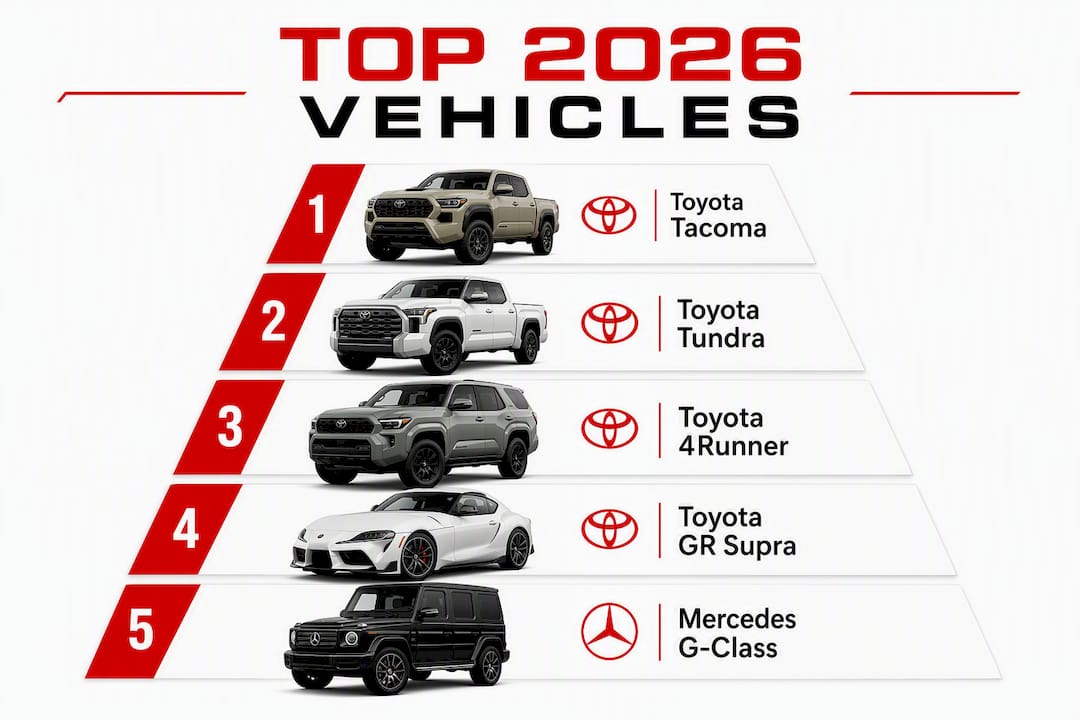
Here are the top 10 models with strong projected 5-year retained values according to the awards.
| Model | Projected 5-Year Retained Value | Vehicle Type |
|---|---|---|
| Toyota Tacoma | 63.0% | Midsize pickup |
| Toyota Tundra | 59.9% | Full-size pickup |
| Toyota 4Runner | 58.0% | Body-on-frame SUV |
| Toyota GR Supra | 56.0% | Sports coupe |
| Mercedes-Benz G-Class | 55.0% | Luxury SUV |
| Toyota Sienna | 54.3% | Minivan |
| Ford Maverick | 54.1% | Compact pickup |
| Chevrolet Corvette | 54.0% | Performance coupe |
| Porsche 911 | 53.9% | Sports car |
| Ford Ranger | 53.4% | Midsize pickup |
Table of Contents
- What are the top trade-in value vehicles for 2026?
- What does "projected 5-year retained value" actually mean?
- Why do these vehicles keep their value in 2026?
- How can you maximize your trade-in or resale return?
- What market forces are shaping 2026 trade-in values?
- Key Takeaways
- Why retained value should drive your next purchase decision
- Elmwood Auto Sales can help you get a better trade-in offer
- Sources and data references
What are the top trade-in value vehicles for 2026?
The table below compares all ten models on the dimensions that matter most when you are deciding what to buy or trade.
| Model | 5-Year Retained Value | Vehicle Type | Best For | MSRP Tier | Supply / Demand Notes |
|---|---|---|---|---|---|
| Toyota Tacoma | 63.0% | Midsize pickup | Daily driver, light off-road, towing | Mid | Consistently high demand, limited new inventory |
| Toyota Tundra | 59.9% | Full-size pickup | Full-size towing and hauling | Mid–High | Strong truck-segment demand |
| Toyota 4Runner | 58.0% | Body-on-frame SUV | Off-road, long-term ownership | Mid | Niche demand, loyal buyer base |
| Toyota GR Supra | 56.0% | Sports coupe | Enthusiast, collectible appeal | Performance | Low-volume production |
| Mercedes-Benz G-Class | 55.0% | Luxury SUV | Luxury, status, long-term desirability | Luxury | Constrained supply, iconic design |
| Toyota Sienna | 54.3% | Minivan | Family reliability, long-term use | Mid | Hybrid powertrain supports resale |
| Ford Maverick | 54.1% | Compact pickup | Light-duty, fuel efficiency | Economy | Value pricing, high used-market appeal |
| Chevrolet Corvette | 54.0% | Performance coupe | Collectors, weekend drivers | Performance | Enthusiast demand reduces depreciation |
| Porsche 911 | 53.9% | Sports car | Luxury performance, collectors | Luxury/Performance | Limited volume, strong brand heritage |
| Ford Ranger | 53.4% | Midsize pickup | Practical midsize truck | Mid | Broad utility, solid used-market demand |
Toyota Tacoma. The Tacoma has topped KBB's resale rankings for multiple years running. Persistent demand in the used midsize truck market, combined with supply that rarely catches up, keeps trade-in prices strong. Buyers should note that TRD Off-Road and TRD Pro trims tend to command the highest used-market premiums.
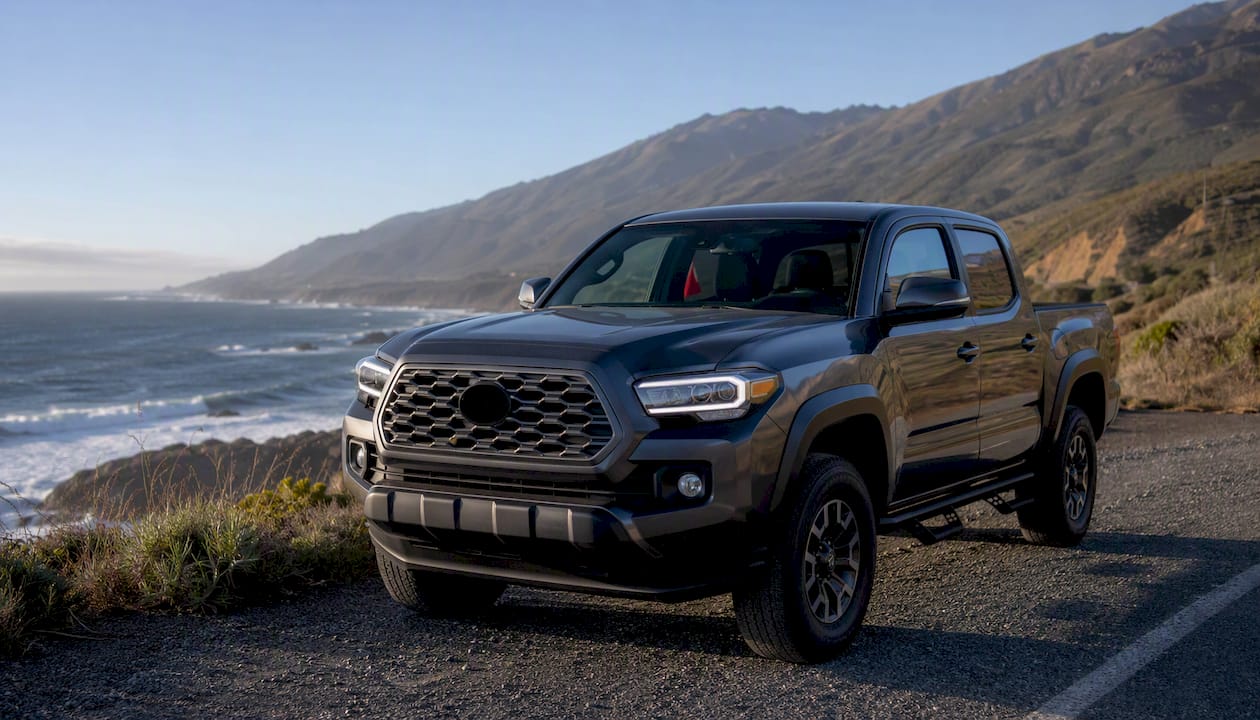
Toyota Tundra. The Tundra's full-size credentials and durable reputation translate directly into retained value. Truck-segment demand in the United States is structurally strong, and the Tundra benefits from that tide. Towing-spec trims with the i-FORCE MAX hybrid powertrain are particularly attractive on the used market.
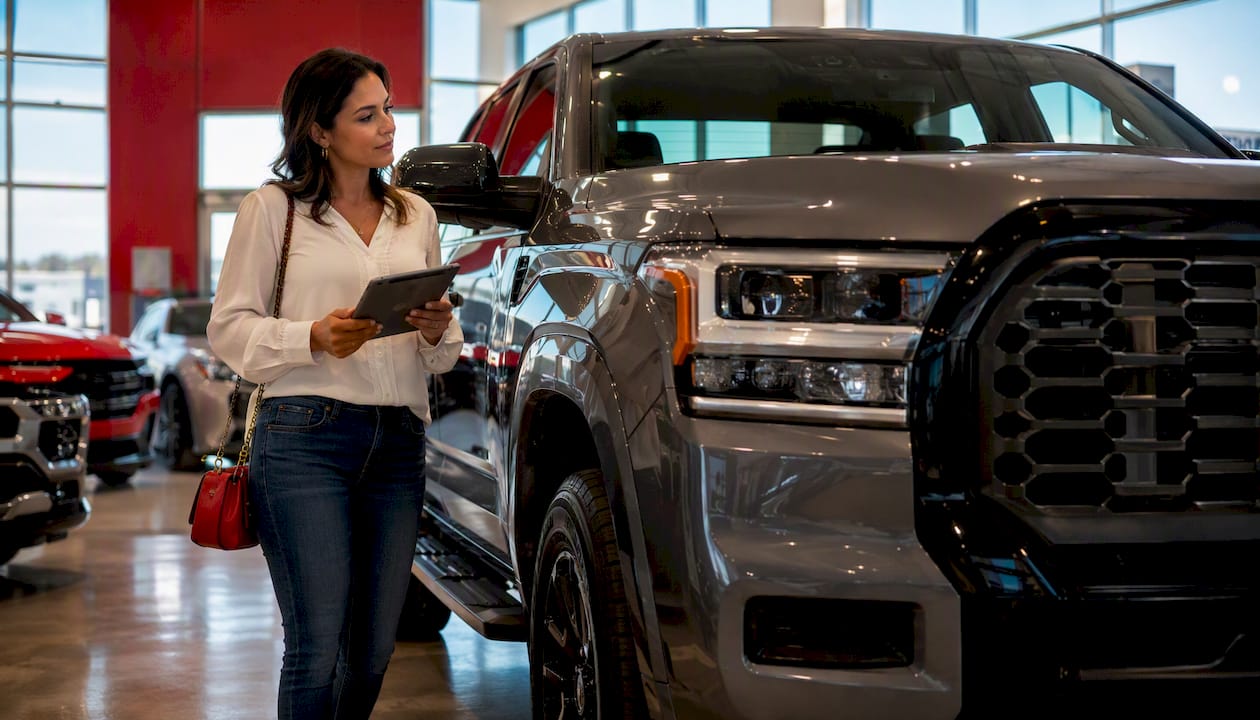
Toyota 4Runner. The 4Runner's body-on-frame construction is a genuine differentiator in a segment that has largely moved to unibody crossovers. That niche appeal creates a loyal, price-insensitive buyer pool, which is exactly what keeps trade-in values elevated. TRD Pro and Limited trims hold the most value.
Toyota GR Supra. Low production volume is the primary driver here. The GR Supra's enthusiast following and limited availability mean used examples rarely sit on lots for long. That scarcity effect is more pronounced than with mainstream sports cars, and it shows in the retained-value projection.
Mercedes-Benz G-Class. The G-Class is an outlier among luxury SUVs. Most luxury vehicles depreciate faster than non-luxury rivals because of steeper initial MSRPs and softer used-market demand, but the G-Class's iconic design and constrained production keep it competitive. Buyers pay a significant premium upfront, and the retained-value percentage reflects that the used market still wants it.
Toyota Sienna. The Sienna's hybrid-only powertrain since the 2021 redesign has made it more appealing to fuel-conscious used-car buyers, which supports resale. For families who need a reliable, long-lived van, the Sienna delivers on both counts.
Ford Maverick. The Maverick punches above its price class on retained value. Its standard hybrid powertrain and compact footprint appeal to buyers who want truck utility without truck fuel costs. High demand relative to supply has kept used Maverick prices firm.
Chevrolet Corvette. Collector interest and a strong enthusiast community reduce the Corvette's depreciation curve compared to most performance cars. The mid-engine C8 generation has attracted a wider buyer pool, which helps trade-in values stay above the segment average.
Porsche 911. The 911 is one of the few vehicles where the brand's heritage alone is a measurable financial asset. Limited production segments (GT3, Targa, Turbo S) can hold value even more aggressively than the base model. For luxury performance buyers, the 911 is among the safest long-term bets on this list.
Ford Ranger. The Ranger's broad utility and accessible price point make it a practical choice for buyers who want a midsize truck without the Tacoma's premium. Solid used-market demand keeps depreciation lower than many rivals in the segment.
All percentages are projections and will vary by trim level, options package, region, mileage, and vehicle condition. Actual trade-in offers may differ from projected retained values.
What does "projected 5-year retained value" actually mean?
Projected 5-year retained value is the percentage of a vehicle's original MSRP it is expected to be worth after five years of ownership. If a truck has an MSRP of $40,000 and a 63.0% retained value, the projection says it will be worth roughly $25,200 in the used market five years from now.
The figures in this article come from Kelley Blue Book's 2026 Best Resale Value Awards, which KBB has published annually for 24 years. KBB builds its projections using proprietary market data covering millions of actual vehicle transactions, adjusted for expected future supply and demand conditions. The iSeeCars platform independently analyzes millions of vehicles to calculate depreciation benchmarks across segments, and its segment-level findings align closely with KBB's top-10 rankings.
Stat to know: Top-performing models can retain up to ~63% of MSRP after five years versus an industry average near 44–45%, a gap that can represent thousands of dollars in retained equity.
Key limitations to keep in mind:
- Trim and options: Higher trims with popular packages (towing prep, off-road, hybrid) typically retain more value than base models.
- Regional variation: Truck values tend to be stronger in rural and suburban markets; compact cars and EVs can vary significantly by region.
- Mileage and condition: Projections assume average annual mileage (roughly 12,000–15,000 miles per year) and good condition. High mileage or deferred maintenance will reduce actual trade-in offers.
- Private sale vs. dealer trade-in: Dealer trade-in offers are typically lower than private-party sale prices. The percentage projections reflect used-market retail values, not what a dealer will offer at the counter.
- Market timing: Economic conditions, fuel prices, and inventory levels at the time of trade can shift actual offers above or below projections.
Why do these vehicles keep their value in 2026?
Trucks and sports cars consistently deliver the top retained values, and the 2026 list makes that pattern clear. Seven of the top ten are trucks, SUVs, or performance vehicles. The reasons are structural, not accidental.
Segment demand outweighs brand reliability alone. Pickup trucks are the best-selling vehicles in the United States year after year. That persistent demand creates a deep, competitive used market where prices stay firm. The Tacoma and Tundra benefit directly from this dynamic. Reliability matters, but segment demand is often the stronger force in the used-market price equation.
Limited production creates scarcity. The GR Supra, Corvette, and Porsche 911 all benefit from constrained supply. When fewer units exist, used buyers compete for available examples, which pushes prices up. This is a different mechanism than segment demand but produces the same result: lower depreciation.
Brand reputation lowers buyer risk perception. Toyota's dominance of the top 10 (six of ten models) reflects decades of reliability data. When used-car buyers trust a brand, they pay more for its vehicles. Consumer Reports' reliability rankings consistently place Toyota near the top, and that reputation feeds directly into used-market demand.
Powertrain choices matter more than they used to. The Sienna's hybrid-only lineup and the Maverick's standard hybrid have made both vehicles more attractive to fuel-cost-conscious used buyers. As fuel prices remain variable, powertrains that offer efficiency without sacrificing utility tend to hold value better.
Pro Tip: Watch for trim discontinuations and production cuts. When a manufacturer drops a popular trim or reduces allocation, used examples of that trim often appreciate. The TRD Pro Tacoma and GR Supra A91-MT edition are examples where scarcity has measurably affected used pricing.
How can you maximize your trade-in or resale return?
The difference between a good trade-in offer and a great one usually comes down to preparation. Here are the steps that have the most impact:
- Get market comps before you walk in. Use Kelley Blue Book, Edmunds, and CarGurus to establish a realistic value range for your specific vehicle (year, trim, mileage, condition, and zip code). Knowing your number prevents you from accepting a low opening offer.
- Gather your service records. A documented maintenance history is one of the most persuasive tools you have. Dealers and private buyers both pay more for vehicles with verifiable service histories. Keep every oil change receipt, tire rotation record, and repair invoice.
- Address easy cosmetic issues. Minor dents, scratched wheels, and worn floor mats reduce perceived value more than their repair cost. A professional detail and minor touch-up work can return several times their cost in a higher offer.
- Get a pre-sale inspection. A clean third-party inspection report removes uncertainty for buyers and dealers. Understanding how vehicle appraisal works helps you anticipate what a dealer will flag and address it proactively.
- Request multiple offers. Dealer trade-in offers vary more than most sellers expect. Get at least three appraisals from different dealers or online platforms (CarMax, Carvana, and local dealers) before accepting anything.
- Time your trade strategically. Trucks and SUVs tend to command higher prices in spring and early summer when buyers are planning outdoor activities and towing needs. Convertibles and sports cars peak in spring. Trading at peak demand can meaningfully improve your offer.
- Understand the private sale vs. trade-in trade-off. Private-party sales typically yield higher net proceeds, but they require more time, paperwork, and risk. A dealer trade-in is faster and simpler, and the convenience has real value if your time is limited.
Pro Tip: When supply constraints are tight in a segment (as they have been for trucks and compact pickups), dealers need your vehicle more than usual. Use that leverage by presenting competing offers in writing. A written offer from one dealer is often the fastest way to improve a second dealer's appraisal.
You can also get a fair trade-in offer directly at Elmwood Auto Sales, where the appraisal process is transparent and there is no pressure to accept on the spot.
What market forces are shaping 2026 trade-in values?
The 2026 retained-value picture is being driven primarily by strong truck and SUV demand against a backdrop of gradually normalizing inventory levels. After several years of supply-chain disruptions that pushed used-car prices to historic highs, the market has moderated, but trucks and performance vehicles have held their ground better than most segments.
Key forces shaping values right now:
- Inventory recovery: New-vehicle inventory has improved from pandemic-era lows, which has softened used-car prices broadly. Trucks and SUVs have been more insulated because demand growth has kept pace with supply recovery.
- Interest rates: Elevated financing costs have pushed some buyers toward used vehicles, sustaining used-market demand even as new-car inventory improves.
- Fuel prices: Variable fuel costs continue to favor efficient powertrains. Hybrid trucks (Maverick, Tundra i-FORCE MAX) and SUVs benefit from this trend in the used market.
- EV adoption and incentives: Federal EV tax credits and expanding charging infrastructure are gradually shifting new-car buying patterns. For now, this has had a more pronounced depreciation effect on mainstream EVs than on trucks and performance vehicles, where buyer profiles differ.
- Collector and enthusiast interest: For limited-production models like the GR Supra and Corvette, collector-car market dynamics can push values above standard retained-value projections. These vehicles operate partly outside the mainstream depreciation curve.
- Regional demand: Truck values are strongest in the South, Midwest, and Mountain West. Compact and fuel-efficient vehicles tend to hold value better in dense urban markets and on the coasts.
Stat to know: The gap between the top-ranked model and the industry average represents a substantial difference in retained equity over five years for a typical vehicle price.
Key Takeaways
The Toyota Tacoma's high projected retained value leads all 2026 models, and choosing a vehicle with strong retained value can preserve significant equity compared to the industry average.
| Point | Details |
|---|---|
| Tacoma leads the rankings | Toyota Tacoma is recognized as having the highest retained value among 2026 models. |
| Trucks and SUVs dominate | Six of the top 10 are trucks or SUVs; persistent segment demand is the primary driver. |
| Industry average gap | Top models significantly outperform the industry average, preserving substantial equity. |
| Variability is real | Actual trade-in offers vary by trim, mileage, condition, region, and sale method. |
| Elmwoodautosalesri | Elmwood Auto Sales in Providence, RI offers no-pressure trade-in appraisals on inspected used inventory, including trucks and SUVs. |
Why retained value should drive your next purchase decision
Most buyers focus on monthly payment and sticker price. That is understandable, but it misses the bigger picture. The vehicle you buy today is also an asset you will eventually sell or trade, and the difference between a 44% retained value and a 63% retained value on a $40,000 purchase is not a rounding error. It is real money.
What the 2026 rankings reveal is that the used market is not sentimental. It rewards vehicles that people actually want to buy, in segments where demand consistently outpaces supply. Trucks have held that position in the United States for decades, and nothing in the current market suggests that is changing. The GR Supra and Porsche 911 make the list for a different reason: scarcity and enthusiast demand create a floor under their prices that most mainstream vehicles never have.
The practical implication is straightforward. If you are choosing between two vehicles at similar price points, the one with a higher projected retained value is almost always the better financial decision, all else being equal. That does not mean you should buy a truck you do not need. It means retained value deserves a seat at the table alongside reliability, fuel economy, and features when you are making your decision.
One more thing worth noting: the gap between a dealer trade-in offer and a private-party sale price is real and often significant. Knowing that gap exists, and preparing accordingly, is one of the highest-leverage moves available to any seller. The steps in this article are not complicated. They are just consistently skipped.
Elmwood Auto Sales can help you get a better trade-in offer
Choosing a high-resale-value vehicle is step one. Getting a fair price when you trade it in is step two, and that is where Elmwood Auto Sales in Providence, RI makes a concrete difference.
Elmwood's appraisal process is transparent and low-pressure. There are no commission-based sales tactics pushing you toward a quick decision. Every vehicle in the Elmwood inventory goes through a thorough inspection before it reaches the lot, so when you trade in, you are working with a team that understands exactly what a well-maintained vehicle is worth. Elmwood also offers tailored financing options, including in-house solutions for buyers across a range of credit profiles, so your next purchase does not have to wait while you sort out financing elsewhere.
Schedule a test drive at Elmwood Auto Sales to see the current inventory of inspected trucks, SUVs, and sedans, or bring your current vehicle in for a no-obligation trade-in appraisal. The conversation starts on your terms.
Sources and data references
The rankings and retained-value percentages in this article come from the following primary sources. Consulting local valuations alongside these national projections will give you the most accurate picture for your specific vehicle and market.
- Kelley Blue Book 2026 Best Resale Value Awards — primary source for the top-10 rankings and 5-year retained-value percentages.
- KBB Press Release: 2026 Best Resale Value Award Winners — methodology context, Toyota brand-level statistics, and industry average figures.
- iSeeCars Best Resale Value Cars 2026 — independent segment-level depreciation analysis based on millions of vehicle transactions.
- USA Today: Cars with the Best Resale Value in 2026 — national media coverage summarizing the KBB rankings.
- Forbes: Trucks and Sports Cars Have the Best Resale Values for 2026 — segment-level analysis of why trucks and sports cars dominate the list.
- Sherpa Auto Transport: Best Resale Value Cars 2026 — practical buyer guidance on checking resale rankings before purchase.
- Goodwood: Best Investment Cars for 2026 — context on collectible and limited-run models that may appreciate beyond standard projections.
For a region-specific trade-in estimate in the Providence, RI area, visit Elmwood Auto Sales' trade-in appraisal page.