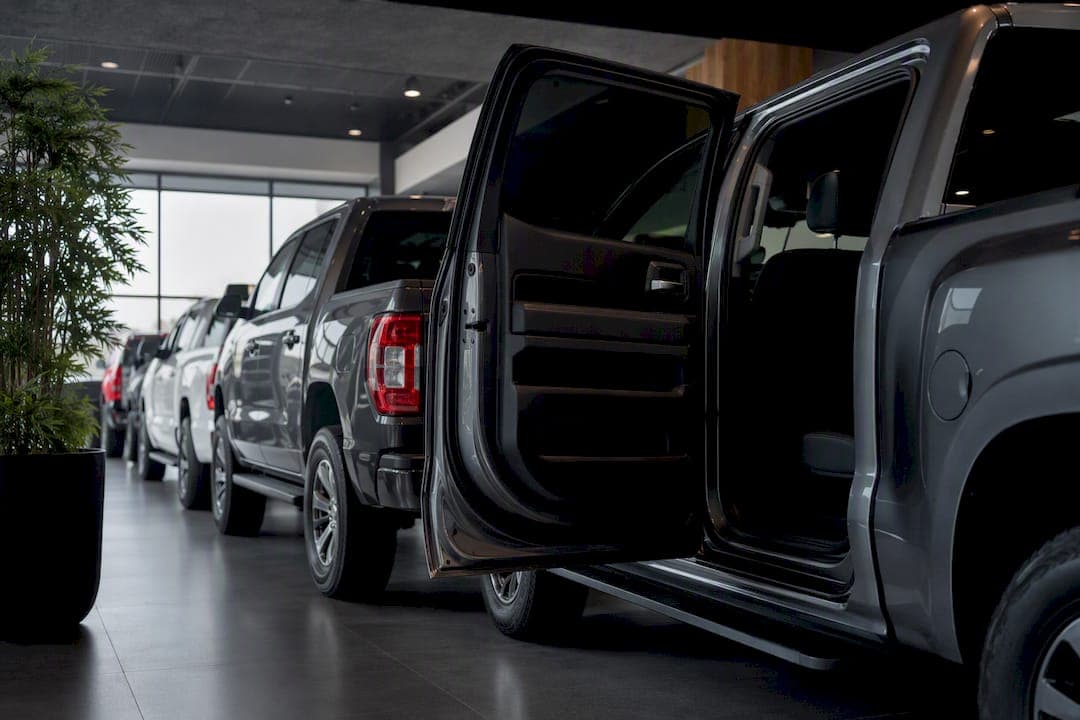
Truck cab configurations differ mainly in how they split space between people and cargo. Regular (single) cabs put nearly everything behind the seats into the bed. Extended, access, double, and quad cabs add a small rear row with limited legroom. Crew, SuperCrew, and CrewMax cabs give you full-size rear doors and near-SUV comfort. Mega Cab and other extended-crew setups push that even further, usually at the cost of bed length and parking ease.
More passenger room almost always means less bed length, more curb weight, lower payload, and a different feel behind the wheel. Before you commit to a cab style, check a few things in person:
- Rear legroom and how the back doors actually open
- Cab-to-axle length and wheelbase, especially if you're pairing a cab with a specific bed
- The truck's GVWR and payload sticker, not just the trim name
Key Takeaways
Cab configuration is a direct trade-off between passenger space and cargo capacity, and picking the right one comes down to measuring rear legroom, door access, wheelbase, and the payload sticker rather than trusting a trim name.
| Point | Details |
|---|---|
| Passenger space costs cargo space | More rear legroom in crew cabs usually means a shorter bed and lower payload for the same GVWR. |
| Names vary by brand | "Double Cab," "Quad Cab," and "SuperCab" can describe similar rear-seat space, so verify measurements instead. |
| CA matters for bed fitment | Cab-to-axle length, not just wheelbase, determines which bed lengths and upfitter bodies will fit. |
| Wheelbase trades stability for turning ease | Longer wheelbases steady towing but widen turning radius and complicate tight parking. |
| Verify in person at Elmwoodautosalesri | Test-sit rear seats, check door access, and review the payload sticker on inspected used trucks before you buy. |
Table of Contents
- Cab Types Explained: Doors, Seating, and Trade-Offs
- How Do You Choose the Right Cab for Your Needs?
- What Do Wheelbase and Cab-to-Axle Numbers Actually Tell You?
- Which Cab Fits a Work Truck, Family Hauler, or Mixed-Use Buyer?
- Impact of Cab Configuration on Fuel Economy
- Cost Differences Between Cab Configurations
- Safety Features and Crash Test Considerations by Cab Type
- See These Cab Configurations in Person Before You Decide
- Sources
Cab Types Explained: Doors, Seating, and Trade-Offs
Every cab style is a different answer to the same question: how much of the truck's length goes to people versus payload. Here's what actually separates them once you get past the marketing names.
Regular (single/standard) cab. Two doors, one row of seats, and the shortest overall footprint for a given bed length. This is the layout you'll see paired with 8-foot beds on work trucks, and it typically posts the best payload numbers for its GVWR class because there's less structure and less curb weight ahead of the axle. If you rarely carry more than one passenger, this is the most efficient use of a truck's frame.
Extended, access, double, quad, king, or SuperCab. These names all describe roughly the same idea: a small second row squeezed in behind the front seats, usually with smaller rear doors or rear-hinged panels that only open once the front door is out of the way. Some of these models skip rear doors entirely and require folding the front seat forward to reach the back row, which Capital One points out can be a dealbreaker for anyone who needs quick, repeated rear-seat access. Legroom back there tends to be tight on full-size models, which works for kids or occasional adult passengers but not much more.
Crew, SuperCrew, or CrewMax. Four full-size doors and a rear bench that swings open like the front. CarGurus reports rear legroom on many crew cabs is generous, close to midsize SUV territory. That comfort comes from somewhere: bed length usually shrinks unless you step up to a longer wheelbase, and curb weight climbs enough to eat into payload.
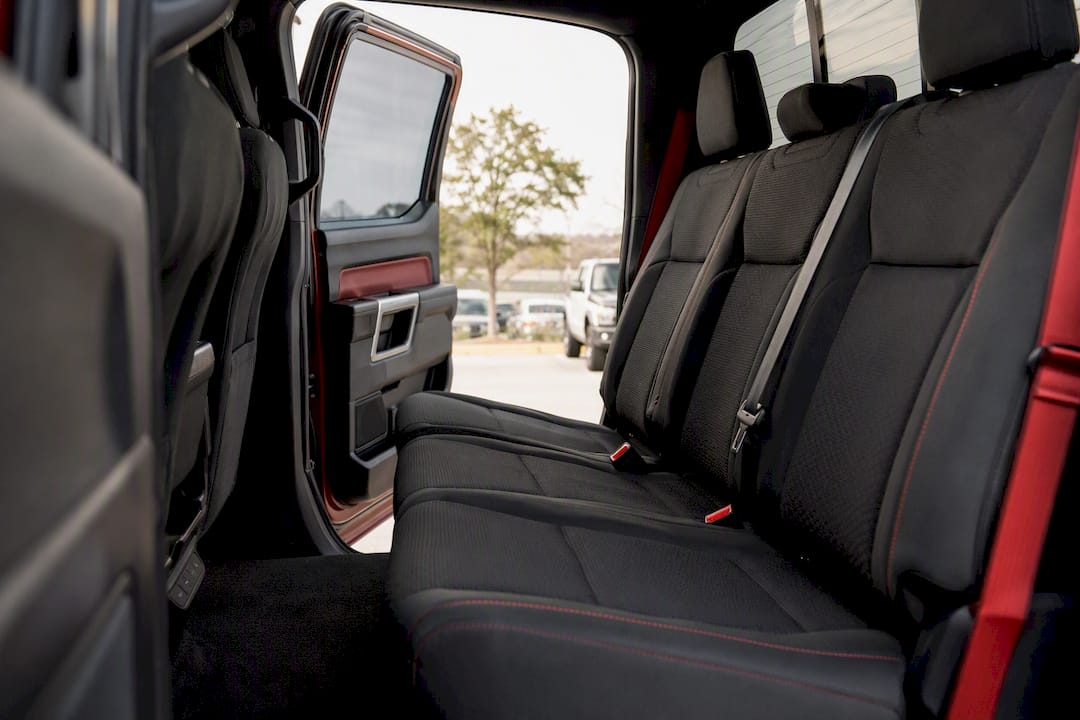
Extended-crew or Mega Cab. The Ram Mega Cab is the clearest example still on the market: reclining rear seats and extra interior storage, packaged into a cab so long it shortens available bed choices and makes tight parking lots a genuine test of patience. It's a niche pick for buyers who want cabin storage more than they want a long bed.
Chassis cab and specialty bodies. If you're building out a flatbed, utility box, or camper hauler, a chassis cab skips the standard bed entirely so an upfitter can mount a custom body. Worth knowing about even if it's not the first configuration most shoppers consider.
Pro Tip: Don't trust the trim name to tell you what you're getting. "Double Cab," "Quad Cab," and "SuperCab" often describe very similar rear-seat space across different brands. Measure the actual legroom and check how the rear doors open before you decide.
How Do You Choose the Right Cab for Your Needs?
Start with how you actually use the truck, not how you imagine using it someday. A step-by-step check keeps you from overbuying comfort you won't use or underbuying space you need every week.
- Identify your real passenger pattern. Daily family duty points toward a crew cab. Occasional extra rider points toward extended cab. Solo or work-crew hauling points toward regular cab.
- Measure your parking and garage constraints. A longer cab often means a longer wheelbase, and that eats into your turning radius in tight driveways or job sites.
- Check the GVWR and payload sticker on the driver's doorjamb. Don't assume cargo capacity from the trim name. It's the one number that tells you what the truck can actually carry.
- Compare cab-to-axle and wheelbase together, especially if you're matching a specific bed length. Jutland Truck Bodies explains that two trucks with identical wheelbases can still have different cab-to-axle measurements, which changes what beds or upfitter bodies will fit.
- Test-sit the rear seats. Check door swing, headroom, and where the LATCH anchors sit if you're installing a car seat.
Pro Tip: Bring a tape measure and, if it applies, your actual car seat. A spec sheet can tell you the legroom number, but it can't tell you whether your specific seat clears the door opening.
What Do Wheelbase and Cab-to-Axle Numbers Actually Tell You?
Wheelbase is the distance between front and rear axles. Cab-to-axle (CA) measures from the back of the cab to the center of the rear axle, and it matters more than wheelbase when you're matching a cab to a bed or upfitted body, since CA can vary even when wheelbase is identical.
Door type matters too. What some listings call a "suicide door" is technically a rear-hinged door, and most manufacturers now label it as an "access door" or "rear-hinged door" instead.
Quick numbers to check: rear legroom often runs 42 to 45 inches in crew cabs versus roughly 33 inches in extended cabs, and a longer wheelbase generally steadies towing while widening your turning radius.
Which Cab Fits a Work Truck, Family Hauler, or Mixed-Use Buyer?
- Work-first hauling: regular cab, maximum bed length, best payload-per-dollar.
- Mixed work and family, or occasional passengers: extended/access cab, a reasonable middle ground on bed length and rear seating.
- Daily family driver or regular crew transport: crew/SuperCrew/CrewMax, prioritize legroom and full-size doors.
- Niche storage or specialized heavy hauling: Mega Cab or chassis cab, accept parking trade-offs for cabin space or custom bodywork.
The most common regret is buying a crew cab, then discovering the short bed can't handle a weekend project. Always verify payload and test the rear seats before you sign anything.
Impact of Cab Configuration on Fuel Economy
Bigger cabs weigh more, and that weight has to move every time you start the truck. A crew cab carries more sheet metal, more glass, more seating structure, and more sound insulation than a regular cab on the same platform, and that added mass plus the larger frontal area changes how hard the engine works at highway speed.
Fueleconomy on vehicle weight and aerodynamics confirms both factors influence mileage, which is why the same engine and drivetrain combination often posts different EPA numbers across cab styles. The gap usually isn't dramatic, but it's consistent enough to show up over a year of driving, especially in stop-and-go conditions where hauling extra weight costs more than it does at steady highway speed.
If fuel cost is a real factor in your budget, don't just compare trims. Compare the specific cab and drivetrain combination you're considering, since a regular cab with a smaller engine can post noticeably better numbers than a crew cab with the same engine family. This is one more reason a spec sheet, not a badge, should guide your decision.
Cost Differences Between Cab Configurations
Cab size is one of the biggest line-item swings in a truck's price, often larger than the gap between trim levels on the same cab. Regular cabs sit at the bottom of most lineups since they use less material and carry fewer standard features. Extended cabs land in the middle. Crew cabs command the highest prices in almost every lineup, and Mega Cab or extended-crew variants can push even further given how rare they are on dealer lots.

The gap isn't just sticker price. Larger cabs typically carry higher curb weight, which nudges insurance costs and can affect resale value differently depending on regional demand. In a market like Rhode Island, where plenty of buyers want a truck that can double as a family vehicle, crew cabs tend to hold value well on the used market, which can offset some of the higher purchase price over time.
Financing terms don't usually change based on cab style, but the loan amount does, since a crew cab often costs several thousand dollars more than an equivalent regular cab. If you're weighing monthly payment against cab size, it's worth running the numbers on financing before you fall in love with the extra legroom. That's exactly the kind of comparison Elmwoodautosalesri's financing team can walk through with you when you're cross-shopping used trucks.
Safety Features and Crash Test Considerations by Cab Type
Cab size affects more than comfort. It changes how crash energy gets managed in a collision. Crew cabs generally have more structure between the front seats and the rear doors, which gives engineers more room to build in side-impact protection and rear-seat airbag coverage. That extra structure is one reason crew cabs often post strong results in rear-passenger crash testing compared to smaller cabs on the same platform.
Regular and extended cabs, with their shorter rear sections, sometimes have less room to work with for rear occupant protection, particularly in older model years before manufacturers standardized side curtain airbags across the lineup. If you're shopping a used truck and plan to carry passengers regularly in the back seat, it's worth checking whether the specific model year includes rear side airbags standard or as an option.
Door type plays a role too. Full-size rear doors on crew cabs generally provide easier, safer emergency egress than smaller access doors, which can complicate a quick exit in an emergency. This is a case where the technical door description matters more than the cab name, and it's worth reviewing published crash-test data for the specific model year and configuration you're considering rather than assuming all trims of a nameplate performed identically.
A note from Elmwood's sales floor
Our advisors walk customers through cab options in person because measurements tell you more than any brochure. We encourage every truck shopper to test-sit the rear seats, check real cargo space, and review the payload sticker together. Ask us to pull comparable trucks in our inventory so you can feel the difference yourself.
See These Cab Configurations in Person Before You Decide
Reading about rear legroom and door swing only gets you so far. Elmwoodautosalesri gives you something a spec sheet can't: the chance to sit in the actual back seat, swing the actual door, and check the actual payload sticker on a truck that's already passed our full inspection process, with financing options built for a range of credit histories rather than a one-size-fits-all approval.

Bring a tape measure, and if you're shopping for a family hauler, bring the car seat you'd actually install. Schedule a test drive and one of our advisors will pull comparable cab configurations so you can compare rear-seat access, bed length, and payload side by side, on trucks that have already been vetted for reliability.
Sources
- Crew Cab vs Extended Cab: How to Weigh Your Options | Capital One Auto Navigator
- Choose the right flatbed size: truck chassis cab-to-axle guide
- Truck cab sizes: a complete breakdown and comparison - CarGurus
- Truck wheelbase guide
- Suicide door