
Used car warranties are contractual protections that cover repair costs for specific vehicle systems, offered by manufacturers, dealerships, or third-party providers. Understanding the differences between these plans is the first step to protecting your investment. Warranty options for used cars include the remainder of a factory warranty, Certified Pre-Owned (CPO) coverage, short-term dealer warranties, and aftermarket extended service contracts. Each type covers different components, carries different costs, and comes with its own set of exclusions. This guide has used car warranty types explained clearly so you can make a confident, informed decision before you sign anything.
1. used car warranty types explained: the four main categories
The four primary warranty categories for used vehicles are factory remainder warranties, CPO warranties, dealer warranties, and extended service contracts. Each one works differently, and mixing them up is one of the most common mistakes buyers make.
Factory Remainder Warranty When a vehicle is still within its original manufacturer warranty period, that coverage transfers to the new owner automatically. A car sold at two years old with a three-year factory warranty still carries one year of manufacturer protection. This is the most reliable coverage available because it comes directly from the automaker with no third-party involvement.
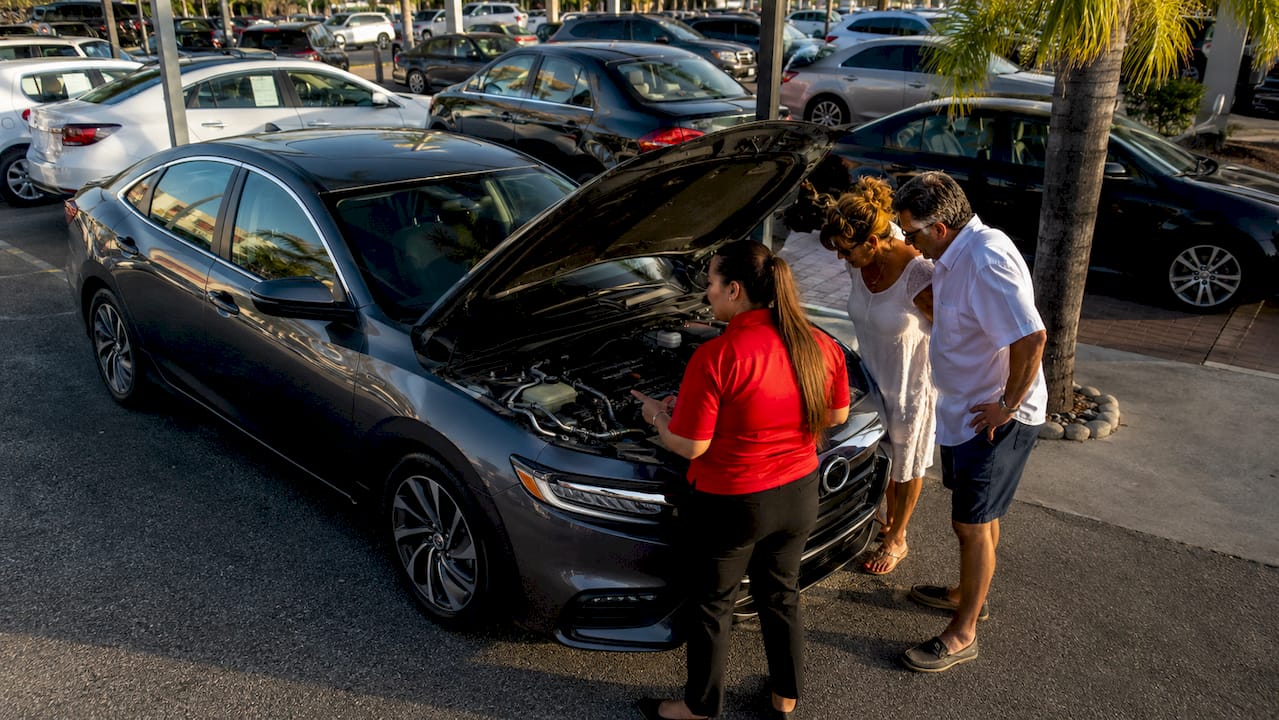
Certified Pre-Owned (CPO) Warranty CPO warranties are manufacturer-backed and longer than standard dealer warranties. Automakers like Ford, Toyota, and Honda each run their own CPO programs with specific inspection checklists and coverage terms. You can review how CPO programs are structured through resources like the Liberty CDJR CPO program to compare manufacturer standards. CPO coverage typically extends powertrain protection and often includes roadside assistance.
Dealer Warranty Dealer warranties are short-term and limited in scope. A typical dealer warranty runs as short as 90 days or 4,000 miles. These plans are useful as a confidence signal from the seller, but they are not a substitute for longer-term protection. Always confirm in writing exactly which systems are covered.
Extended Service Contract Most aftermarket extended warranties are technically vehicle service contracts, not warranties in the legal sense. They are sold separately by third-party providers or dealerships and carry their own rules, exclusions, and payout structures. Coverage ranges from powertrain-only plans to broad exclusionary plans that cover nearly everything.
| Warranty Type | Backed By | Typical Duration | Coverage Scope |
|---|---|---|---|
| Factory Remainder | Manufacturer | Remaining original term | Broad, manufacturer-defined |
| CPO Warranty | Manufacturer | 1–7 years depending on brand | Broad, often includes roadside |
| Dealer Warranty | Dealership | 30–90 days or 4,000 miles | Limited, specific components |
| Extended Service Contract | Third-party or dealer | 1–5 years or mileage cap | Varies: powertrain to exclusionary |
Pro Tip: Always ask the seller for the vehicle's original purchase date and current mileage before assuming factory coverage still applies. A high-mileage CPO vehicle may have less remaining coverage than the label suggests.
2. coverage differences in warranties: powertrain, mid-tier, and comprehensive
Coverage differences in warranties fall into three tiers: powertrain-only, mid-tier stated-component, and comprehensive exclusionary plans. Knowing what each tier actually covers prevents expensive surprises.
Powertrain coverage
A powertrain warranty covers the engine, transmission, and drivetrain components. This is the most basic tier and the most common option for older or higher-mileage vehicles. Powertrain-only coverage excludes air conditioning, electronics, infotainment systems, and suspension. That exclusion matters because a failed air conditioning compressor or a faulty sensor can cost $800 or more to repair out of pocket.
Mid-tier stated-component plans
Mid-tier plans add selective coverage for electrical systems, fuel delivery, and suspension components. Stated-component plans cover only parts explicitly listed in the contract. If a part is not named, it is not covered. This structure puts the burden on the buyer to read every line of the contract before signing.
Comprehensive exclusionary plans
Exclusionary plans, often marketed as "bumper-to-bumper," cover all vehicle components except those explicitly listed as excluded. Bumper-to-bumper warranties are a marketing term, not a legal guarantee of total coverage. Even the broadest exclusionary plans typically carve out wear-and-tear items, pre-existing conditions, and high-tech electronics.
| Coverage Tier | Engine & Transmission | Electrical & Sensors | A/C & Infotainment | Suspension |
|---|---|---|---|---|
| Powertrain Only | Yes | No | No | No |
| Mid-Tier Stated | Yes | Partial | Partial | Yes |
| Exclusionary (Comprehensive) | Yes | Usually Yes | Often Excluded | Yes |
Pro Tip: Ask for the exclusions list, not the inclusions list, when reviewing a comprehensive plan. A shorter exclusions list means broader real-world coverage.
3. what does a powertrain warranty actually cover?
A powertrain warranty covers the engine block, cylinder heads, transmission case, and all internally lubricated parts within those assemblies. It also typically includes the driveshaft, axles, and transfer case on four-wheel-drive vehicles. What it does not cover is equally important to understand.
Major systems like air conditioning, electronics, and infotainment are frequently excluded from lower-tier warranties. A buyer who purchases a powertrain-only plan on a 2018 vehicle with a touchscreen-heavy dashboard is exposed to potentially thousands of dollars in electronics repairs. Powertrain plans work best for buyers who want protection against catastrophic mechanical failure and plan to handle smaller repairs themselves.
The cost difference between a powertrain plan and a comprehensive plan is real. Powertrain plans typically run $1,000–$2,000 per year, while comprehensive plans run $2,000–$3,000 per year. That $1,000 gap is worth evaluating against the specific repair risks of the vehicle you are buying.
4. how warranty costs are structured
Annual costs for powertrain warranties range from $1,000 to $2,000, while comprehensive bumper-to-bumper plans range from $2,000 to $3,000. Those figures reflect averages and shift based on four key variables.
Vehicle Age and Mileage Older vehicles with higher mileage carry more mechanical risk, so providers charge more to cover them. A 2016 sedan with 90,000 miles will cost more to insure than a 2021 model with 30,000 miles under the same plan tier.
Coverage Scope Broader coverage costs more. Moving from a powertrain plan to a full exclusionary plan can add $1,000 or more per year to your premium.
Provider Type Manufacturer-backed CPO warranties are typically priced into the vehicle's purchase cost. Third-party service contracts are sold separately and vary widely in price and reliability. Always check the provider's reputation and claims payment history before purchasing.
Deductible Structure Many service contracts offer a choice between a per-visit deductible and a per-repair deductible. A per-visit deductible means you pay once per shop visit regardless of how many repairs are made. That structure saves money when multiple issues arise at the same time.
Pro Tip: Compare the total cost of a two-year service contract against the average repair cost for the specific make and model you are buying. Resources like RepairPal provide average repair cost data by vehicle, which makes this calculation straightforward.
5. common exclusions buyers miss in used car warranties
Nearly all used car warranties exclude routine maintenance items including oil changes, filters, brake pads, tires, wiper blades, and clutch components. These exclusions are standard across every warranty tier, from basic dealer coverage to comprehensive exclusionary plans.
Pre-existing conditions are also universally excluded. If a vehicle has a known mechanical issue at the time of purchase, no warranty will cover that specific repair. This is why a thorough pre-purchase inspection matters as much as the warranty itself.
Beyond maintenance and pre-existing conditions, buyers frequently miss these exclusions:
Damage caused by neglect, accidents, or improper modifications voids coverage on affected systems. Many contracts also exclude cosmetic items, glass, and frame components. High-tech systems including advanced driver assistance sensors, lane-keeping cameras, and parking assist modules are often treated as separate line items or excluded entirely.
"Extended service contracts help hedge against unexpected mechanical failures but do not replace routine vehicle maintenance. Maintaining the vehicle as per manufacturer recommendations is often required to keep warranty valid." — Cypress Buyer's Guide
The legal distinction between a warranty and a service contract also matters here. A factory warranty is a manufacturer's promise backed by federal law under the Magnuson-Moss Warranty Act. Most aftermarket extended warranties are service contracts governed by contract law, not warranty law. That difference affects your rights if a claim is denied.
6. how to choose a used car warranty that fits your situation
The best warranty matches coverage scope to the vehicle's mileage, repair history, and planned ownership duration rather than picking plans by marketing tiers alone. That principle, emphasized by Endurance Warranty, is the clearest framework for making this decision.
Follow these steps to narrow your choice:
- Check remaining factory coverage. Pull the vehicle identification number (VIN) and contact the manufacturer to confirm whether any original warranty remains. This costs nothing and takes five minutes.
- Assess the vehicle's repair risk. Review the vehicle history report from Carfax or AutoCheck. High-mileage vehicles with service gaps carry more risk and benefit more from broader coverage.
- Match coverage tier to ownership duration. If you plan to keep the vehicle for two years, a mid-tier stated-component plan may be sufficient. If you plan to keep it for five or more years, an exclusionary plan offers better long-term value.
- Compare at least three providers. Prices and exclusions vary significantly between providers. Request the full contract, not just a summary sheet, before making a decision.
- Confirm maintenance compliance requirements. Extended contracts require that you follow the manufacturer's recommended maintenance schedule. Missing an oil change can give a provider grounds to deny a claim.
- Consider layering CPO with an extended plan. If you are buying a CPO vehicle, check whether the manufacturer's CPO coverage can be extended through an authorized dealer. This keeps coverage under one provider and avoids gaps. You can review CPO vehicle qualifications to understand what vehicles qualify for this approach.
Pro Tip: Ask the dealer to show you the actual warranty contract before you agree to purchase. Any dealer who resists showing you the full document is a red flag worth taking seriously.
Key takeaways
Choosing the right used car warranty requires matching coverage tier, cost, and exclusions to your specific vehicle's condition and how long you plan to own it.
| Point | Details |
|---|---|
| Four main warranty types | Factory remainder, CPO, dealer, and extended service contracts each offer different coverage and duration. |
| Coverage tiers differ significantly | Powertrain plans cover engines and transmissions; exclusionary plans cover nearly everything except listed exclusions. |
| Costs range by tier | Powertrain plans average $1,000–$2,000 per year; comprehensive plans average $2,000–$3,000 per year. |
| Exclusions are universal | All plans exclude maintenance items, pre-existing conditions, and often high-tech electronics. |
| Match warranty to vehicle needs | Assess mileage, repair history, and ownership duration before selecting a plan tier. |
What i've learned after years of watching buyers get warranty coverage wrong
Most buyers focus on the coverage name and ignore the exclusions list. That is the single most expensive mistake I see. A plan marketed as "comprehensive" can still leave you paying out of pocket for a $1,200 infotainment system repair or a $900 sensor replacement because those components appear on the exclusions list in paragraph 14 of a 22-page contract.
The second issue I see constantly is buyers purchasing aftermarket service contracts from providers they have never verified. Not all third-party warranty companies pay claims reliably. Before you purchase any extended service contract, check the provider's rating with the Better Business Bureau and read actual customer reviews about the claims process, not just the sales experience.
My honest recommendation: if you are buying a vehicle that still qualifies for a manufacturer CPO program, that is almost always the most reliable coverage available. Manufacturer-backed plans have clear terms, established claims processes, and no ambiguity about who is responsible for paying. Third-party contracts can be valuable, but they require more due diligence.
One more thing worth saying directly: a warranty does not replace a pre-purchase inspection. Get the vehicle inspected by an independent mechanic before you buy. A warranty will not cover a problem that existed before you signed the contract. Knowing the vehicle's condition before purchase is the foundation that makes any warranty decision meaningful.
— Elmwood
Find reliable warranty coverage at Elmwoodautosalesri
Elmwoodautosalesri takes warranty transparency seriously. Every vehicle on the lot goes through a thorough inspection before it is offered for sale, so you know the condition of what you are buying before any warranty conversation begins.
Whether you are looking for a vehicle that still carries manufacturer-backed coverage or you want guidance on extended service contract options that fit your budget, the team at Elmwoodautosalesri is ready to walk you through your options without pressure. Visit Elmwoodautosalesri to browse current inventory, review available warranty options, and connect with a team that prioritizes honest, transparent conversations over sales tactics. Providence buyers trust Elmwoodautosalesri because the process is built around your needs, not a commission structure.
FAQ
What is the difference between a warranty and a service contract?
A factory warranty is a manufacturer's legal promise to repair defects, governed by the Magnuson-Moss Warranty Act. A service contract is a separately purchased agreement with its own rules and is governed by contract law, not warranty law.
What does a powertrain warranty cover on a used car?
A powertrain warranty covers the engine, transmission, and drivetrain components including axles and the transfer case. It does not cover air conditioning, electronics, suspension, or infotainment systems.
Are bumper-to-bumper warranties truly comprehensive?
No. Bumper-to-bumper is a marketing term, and these plans still exclude specific components such as high-tech electronics, sensors, and wear-and-tear items. Always read the exclusions list before purchasing.
How much does a used car extended warranty cost?
Powertrain plans average $1,000–$2,000 per year and comprehensive exclusionary plans average $2,000–$3,000 per year. Cost varies based on vehicle age, mileage, and coverage scope.
Can a dealer deny a warranty claim for missed maintenance?
Yes. Most service contracts require you to follow the manufacturer's recommended maintenance schedule. Missing documented service like oil changes can give the provider grounds to deny a claim on related repairs.